
Resources
Resources
Strategic insights, market analysis, and the research defining our go-to-market.
Strategic insights, market analysis, and the research defining our go-to-market.
Resources
Strategic insights, market analysis, and the research defining our go-to-market.
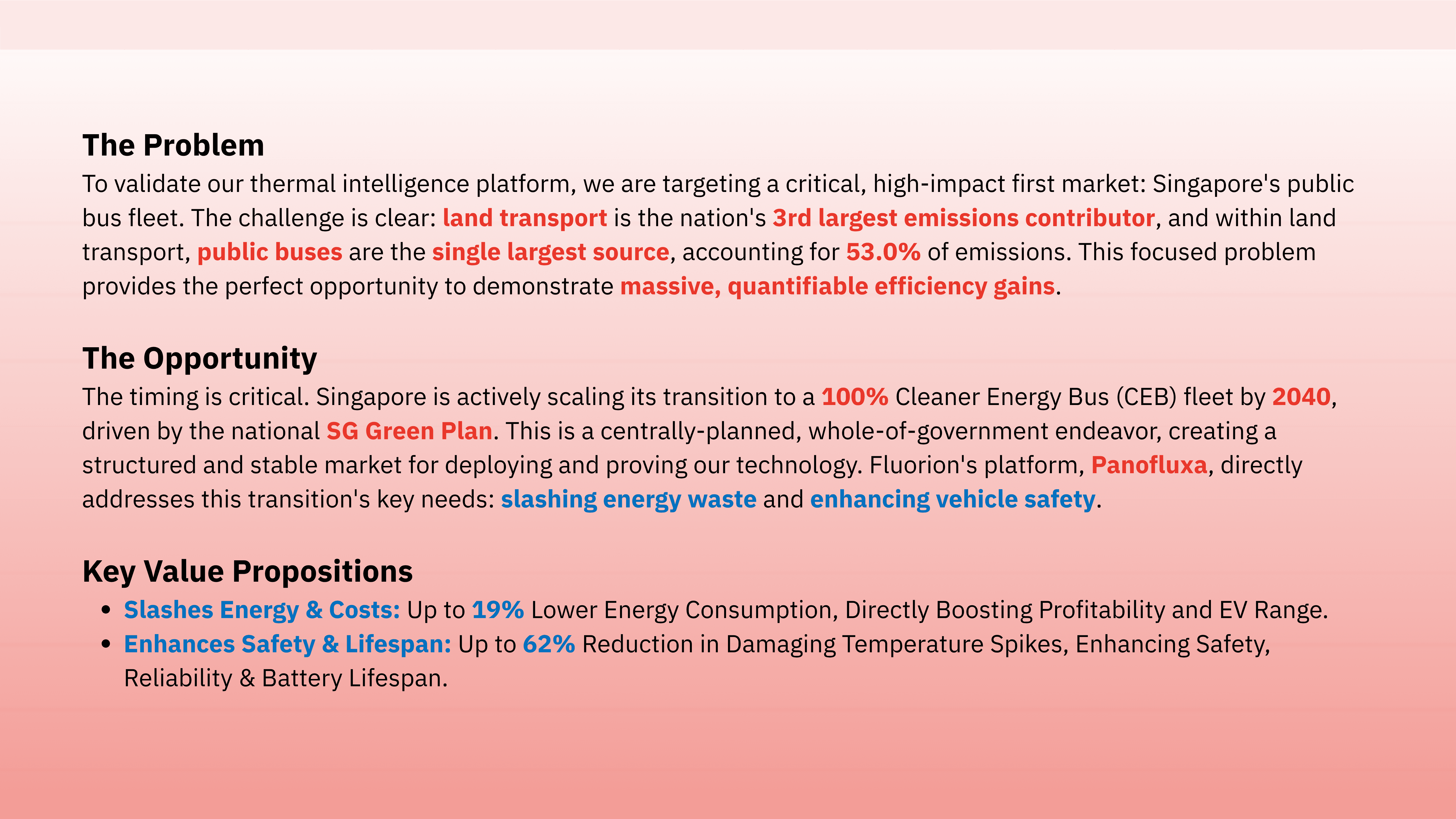
Our Beachhead: Why Singapore's EV Buses?
Our Beachhead: Why Singapore's EV Buses?
Our Beachhead: Why Singapore's EV Buses?
A Significant Challenge is a Massive Opportunity
A Significant Challenge is a Massive Opportunity
A Significant Challenge is a Massive Opportunity
Deep Dive: Singapore's EV Transition Case Study
Deep Dive: Singapore's EV Transition Case Study
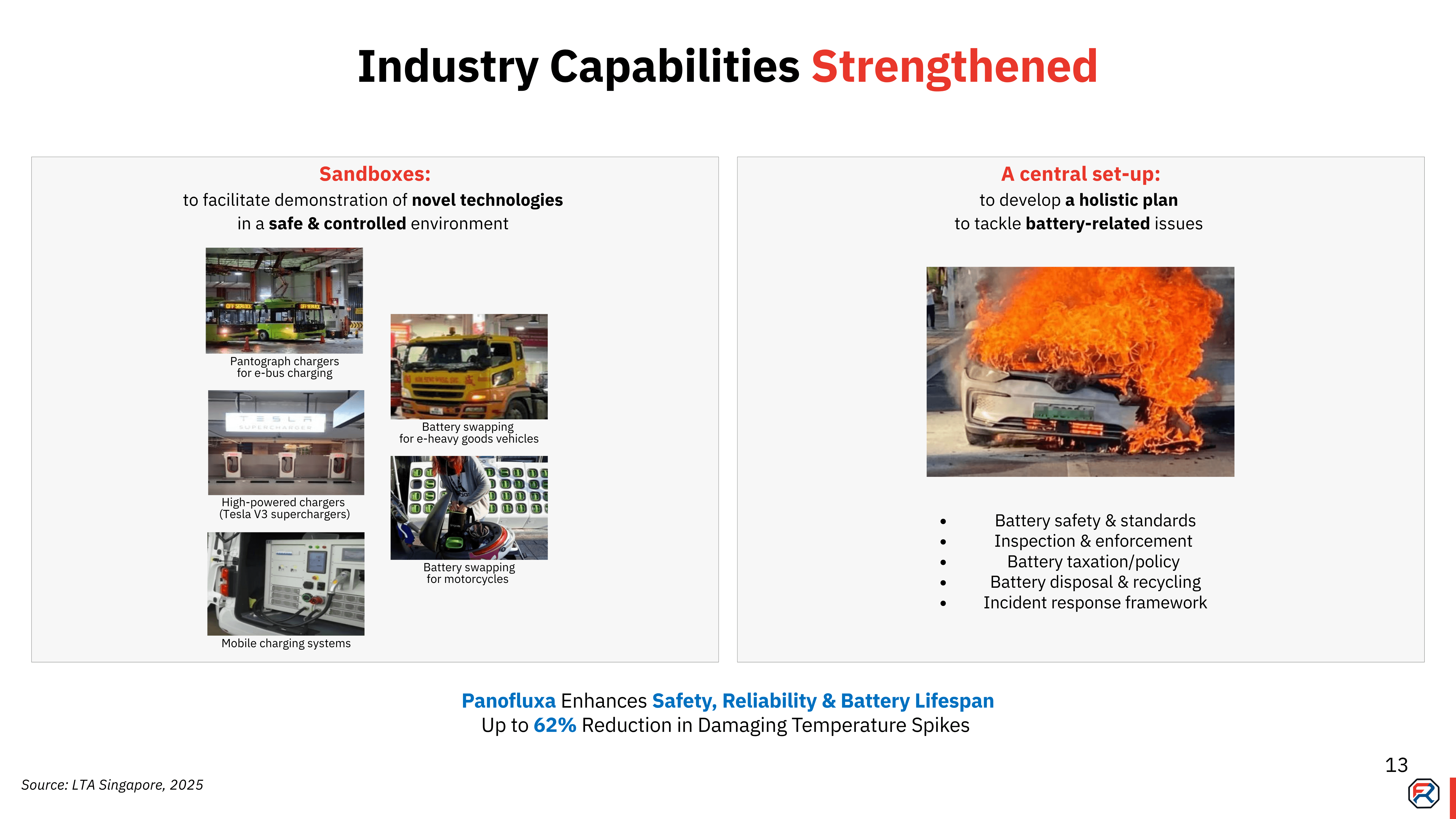
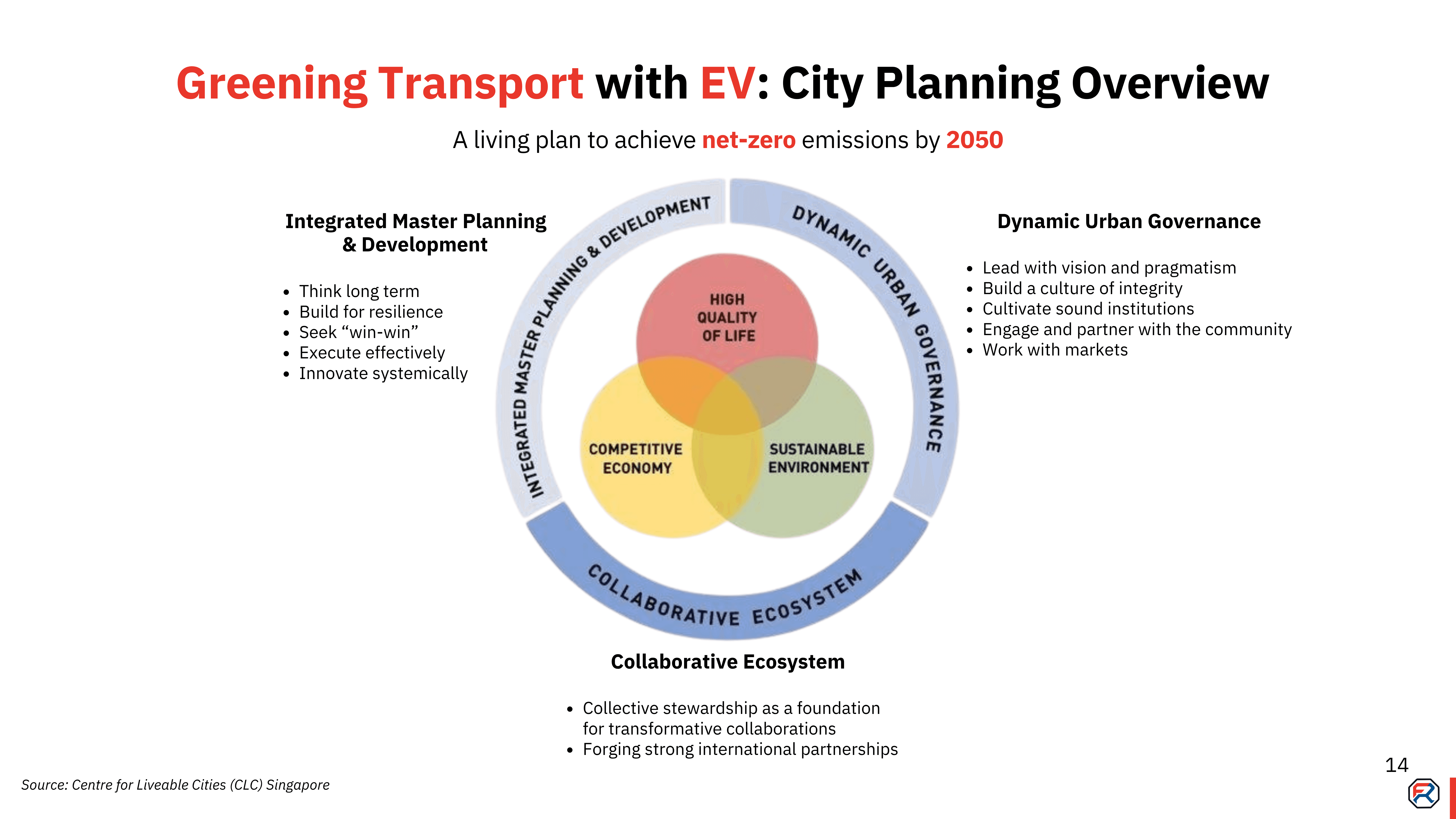
Explore our in-depth analysis of the policies, key players, and strategic opportunities driving Singapore's 2050 net-zero emissions goal.
Explore our in-depth analysis of the policies, key players, and strategic opportunities driving Singapore's 2050 net-zero emissions goal.
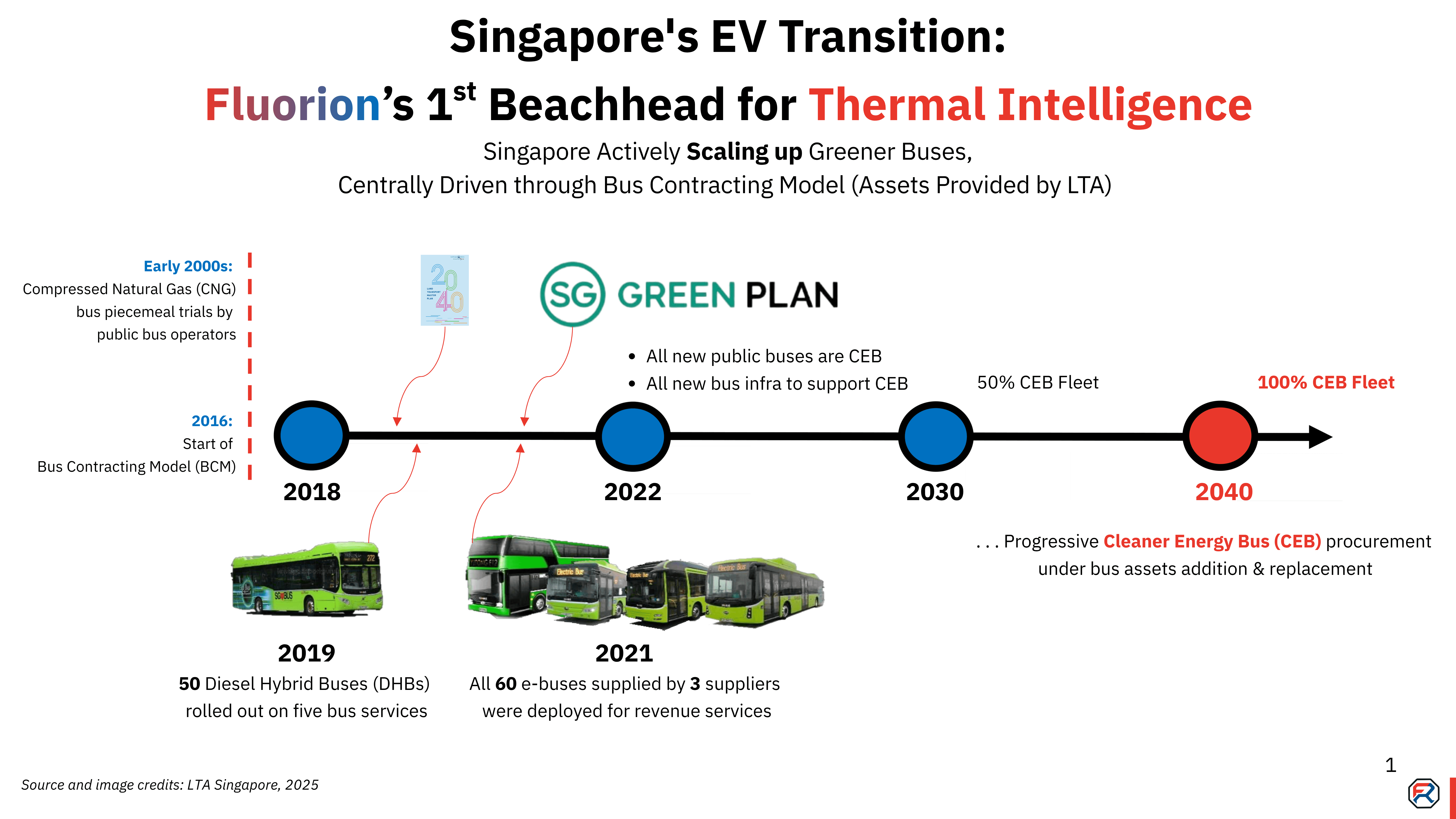
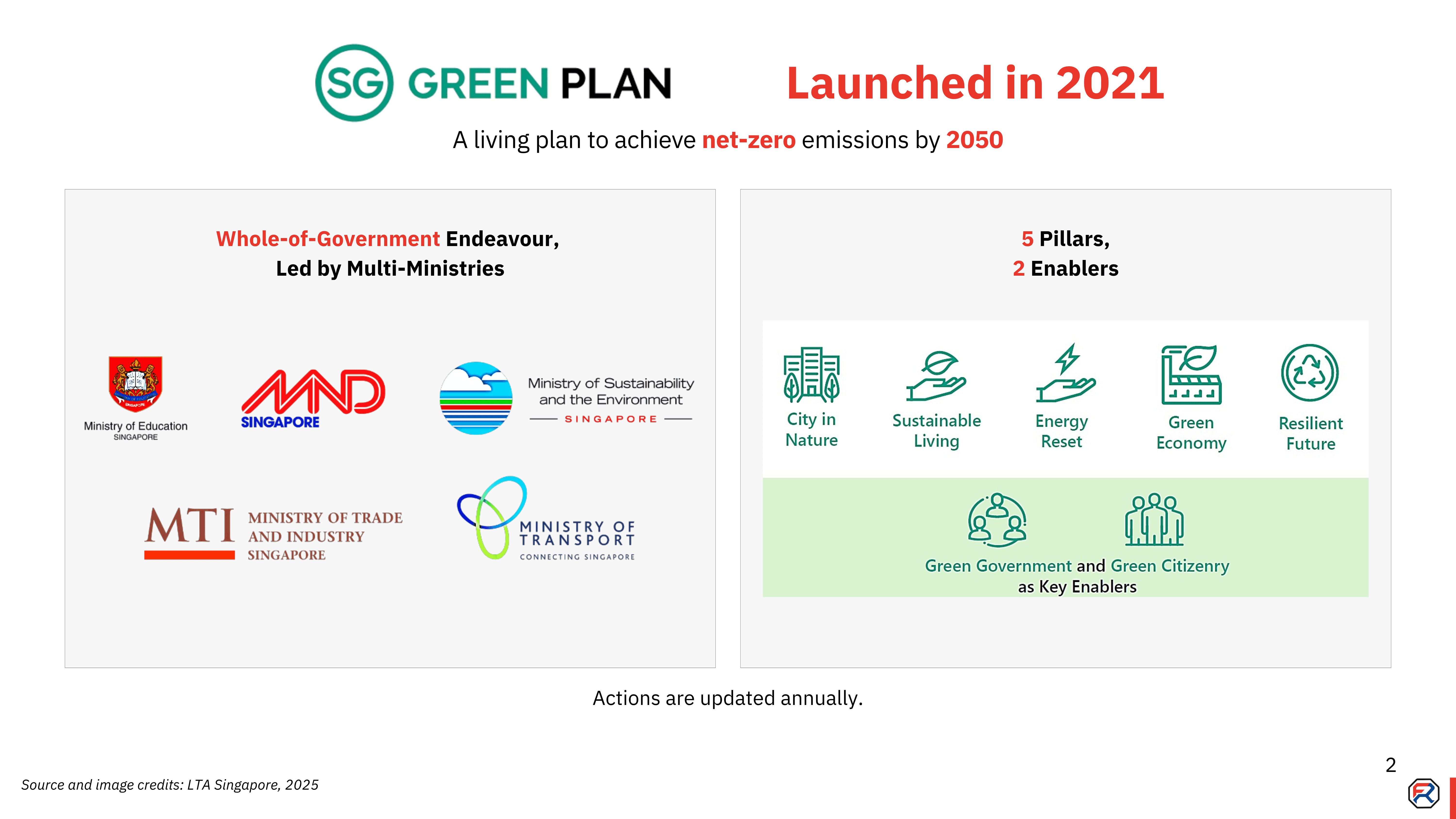

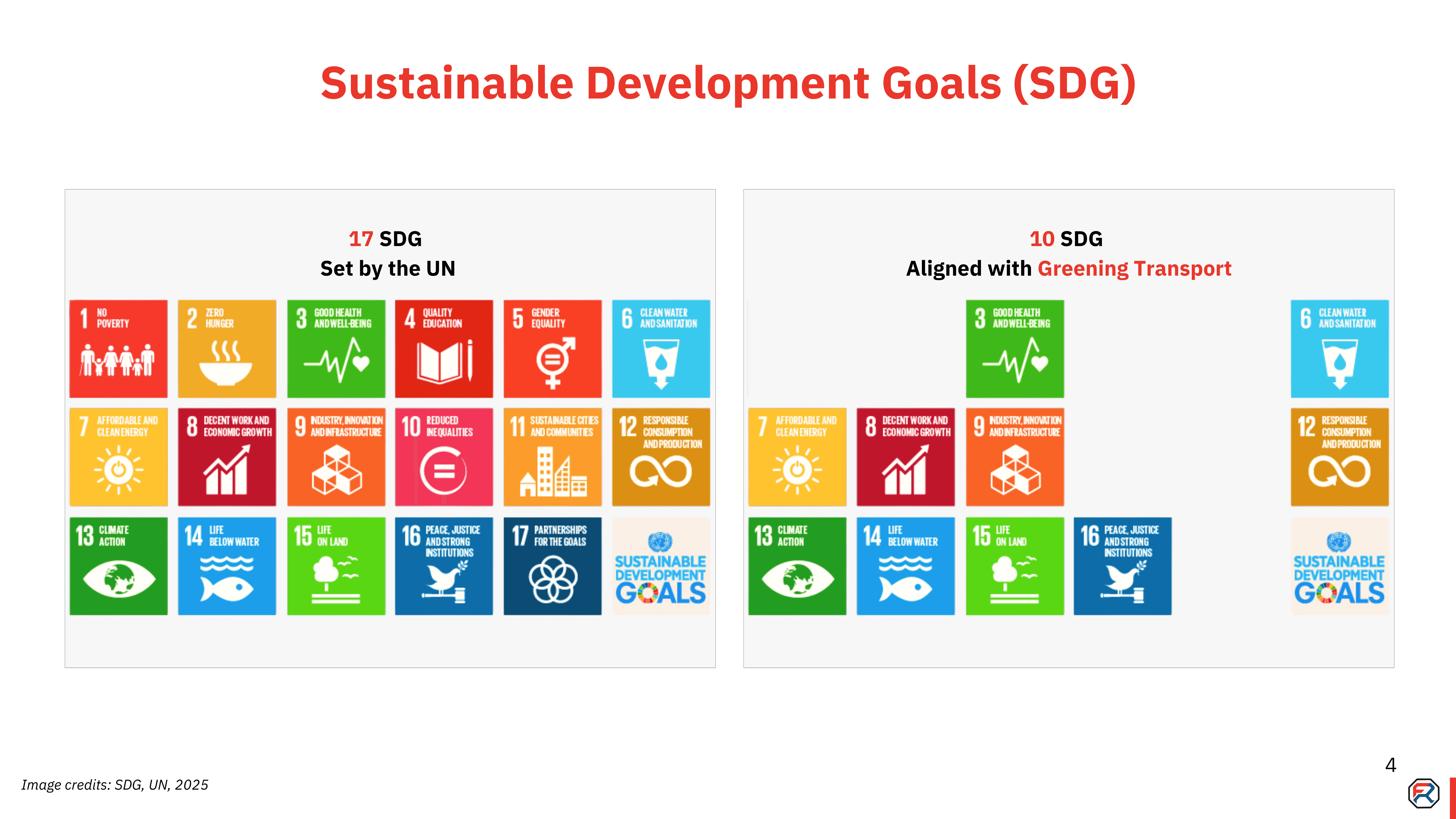
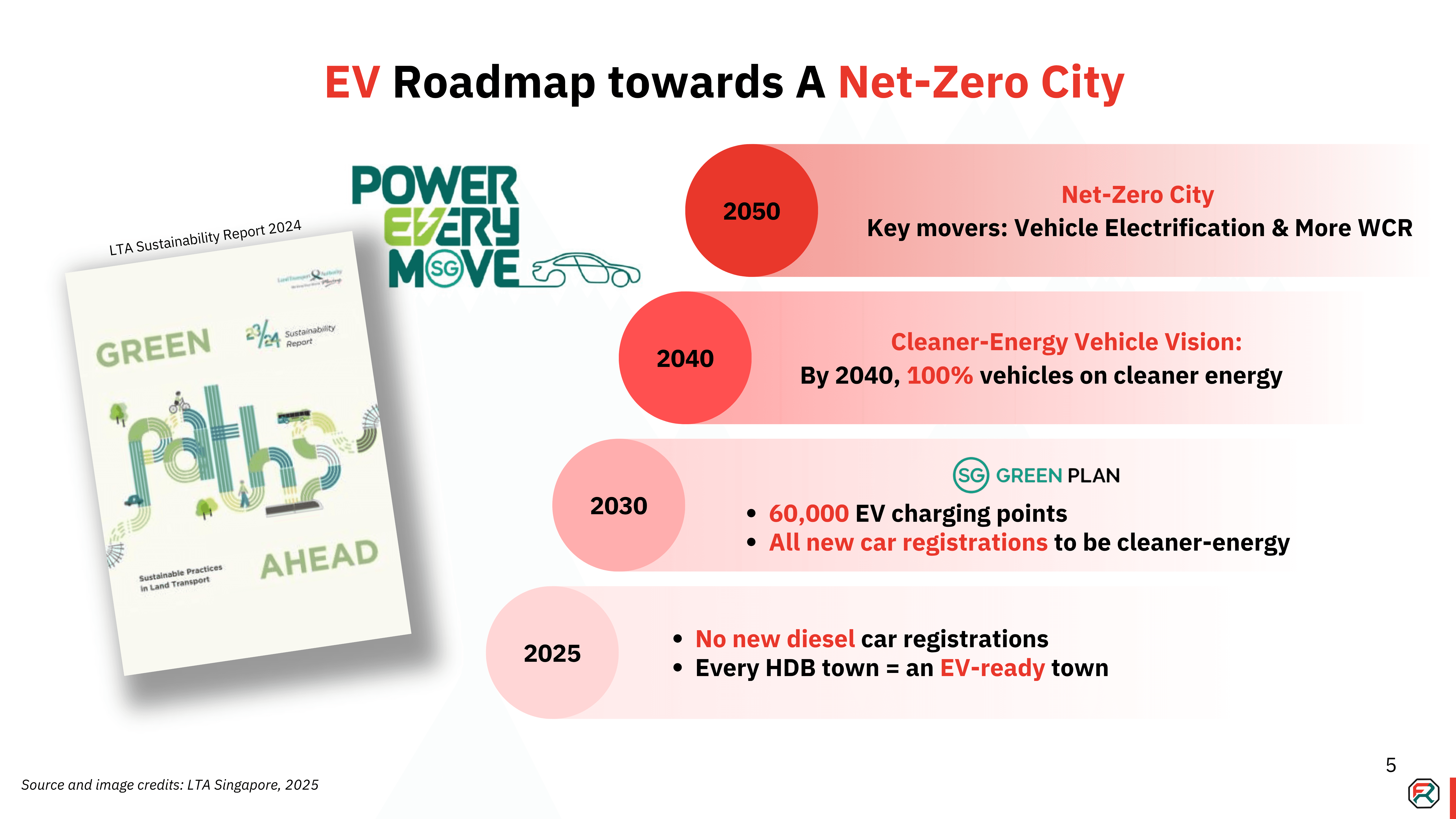
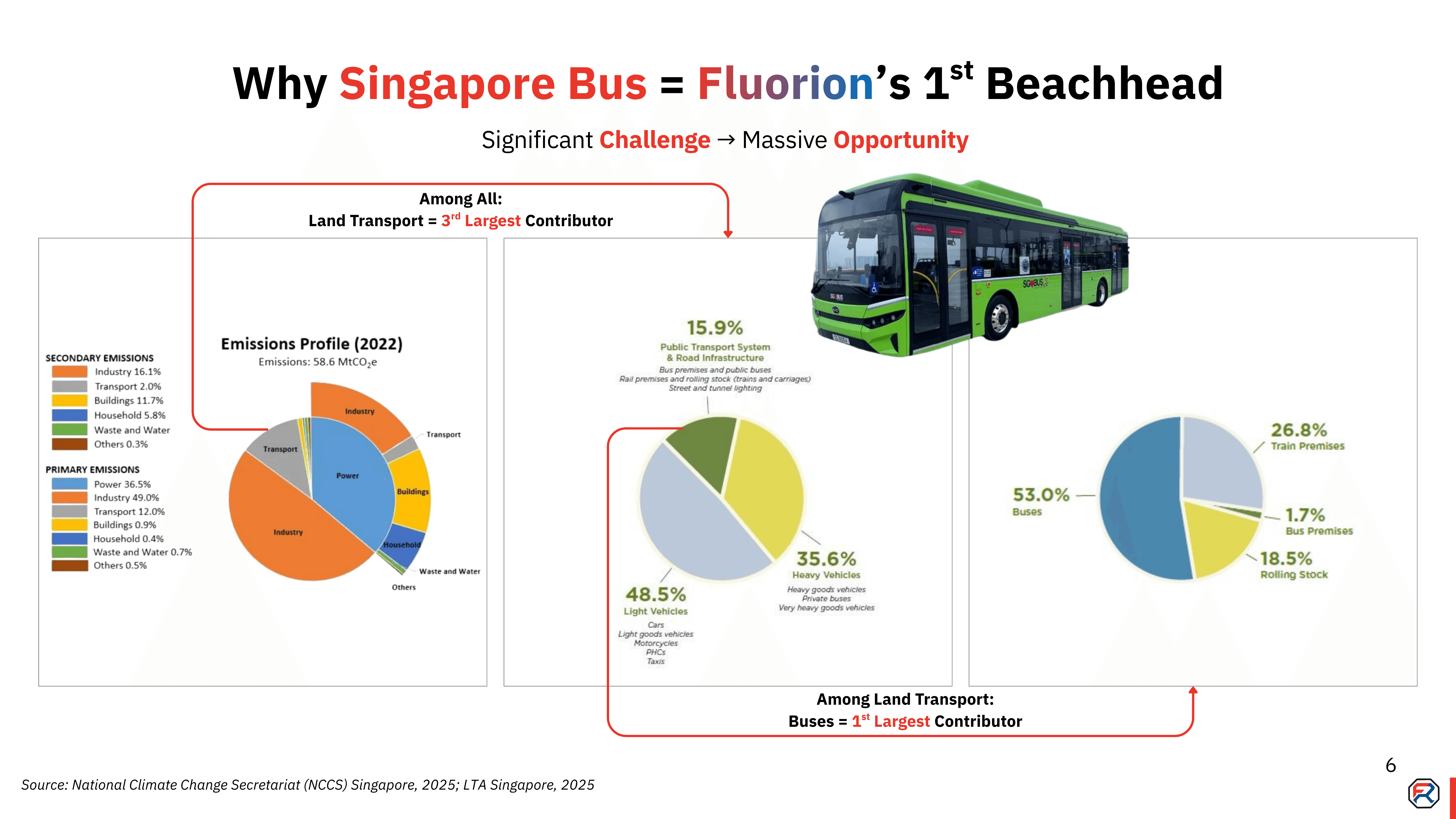
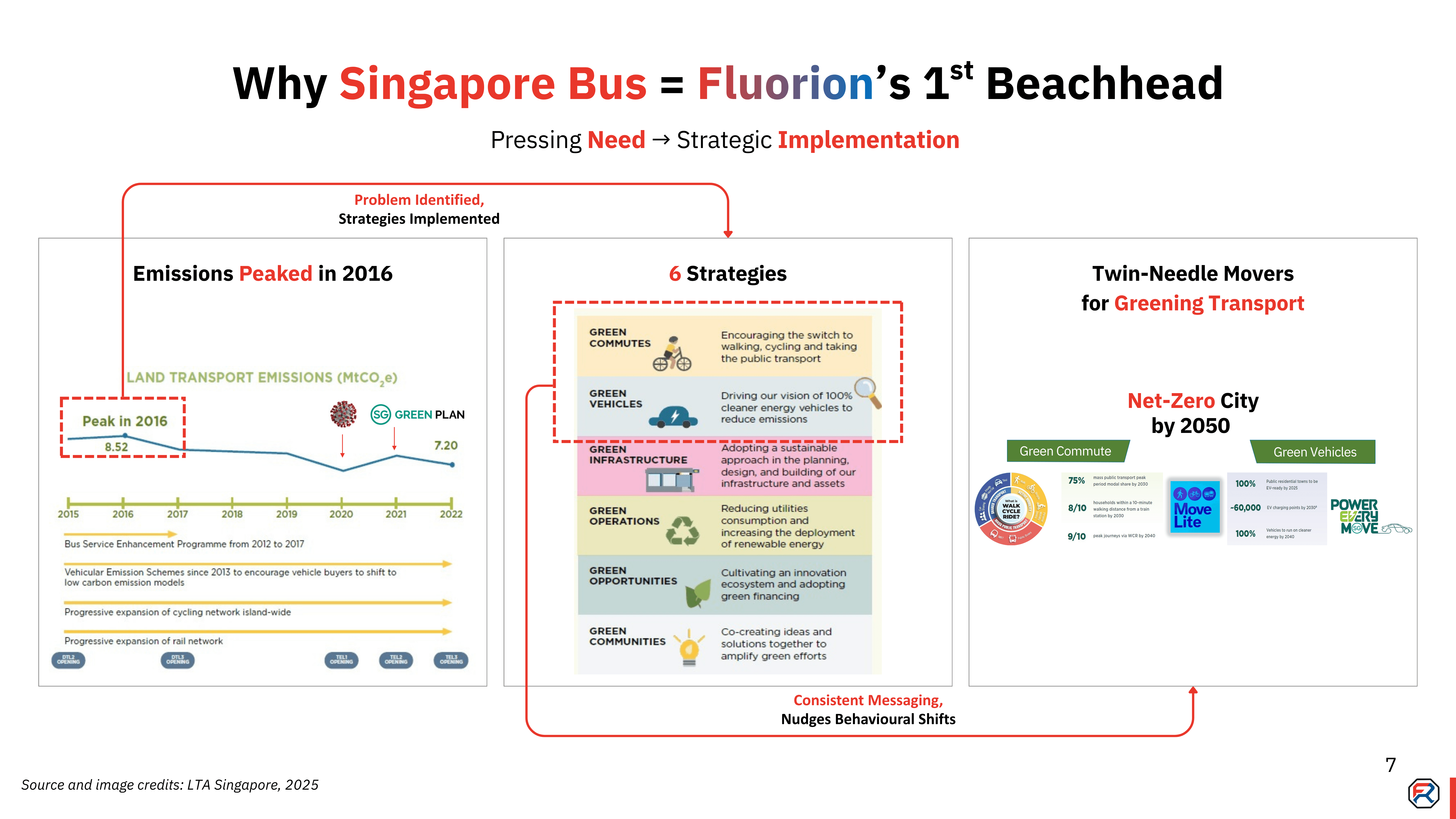
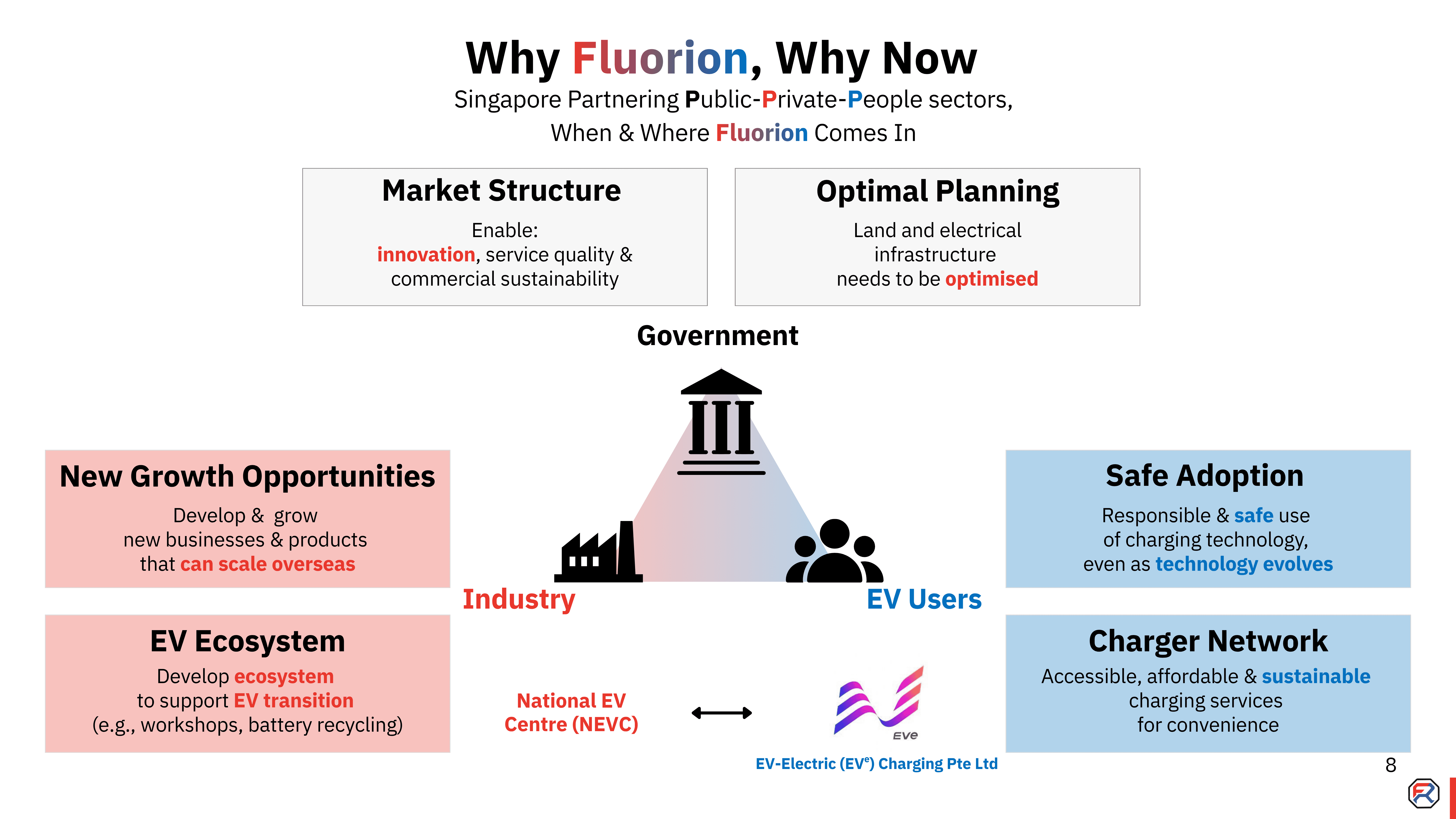
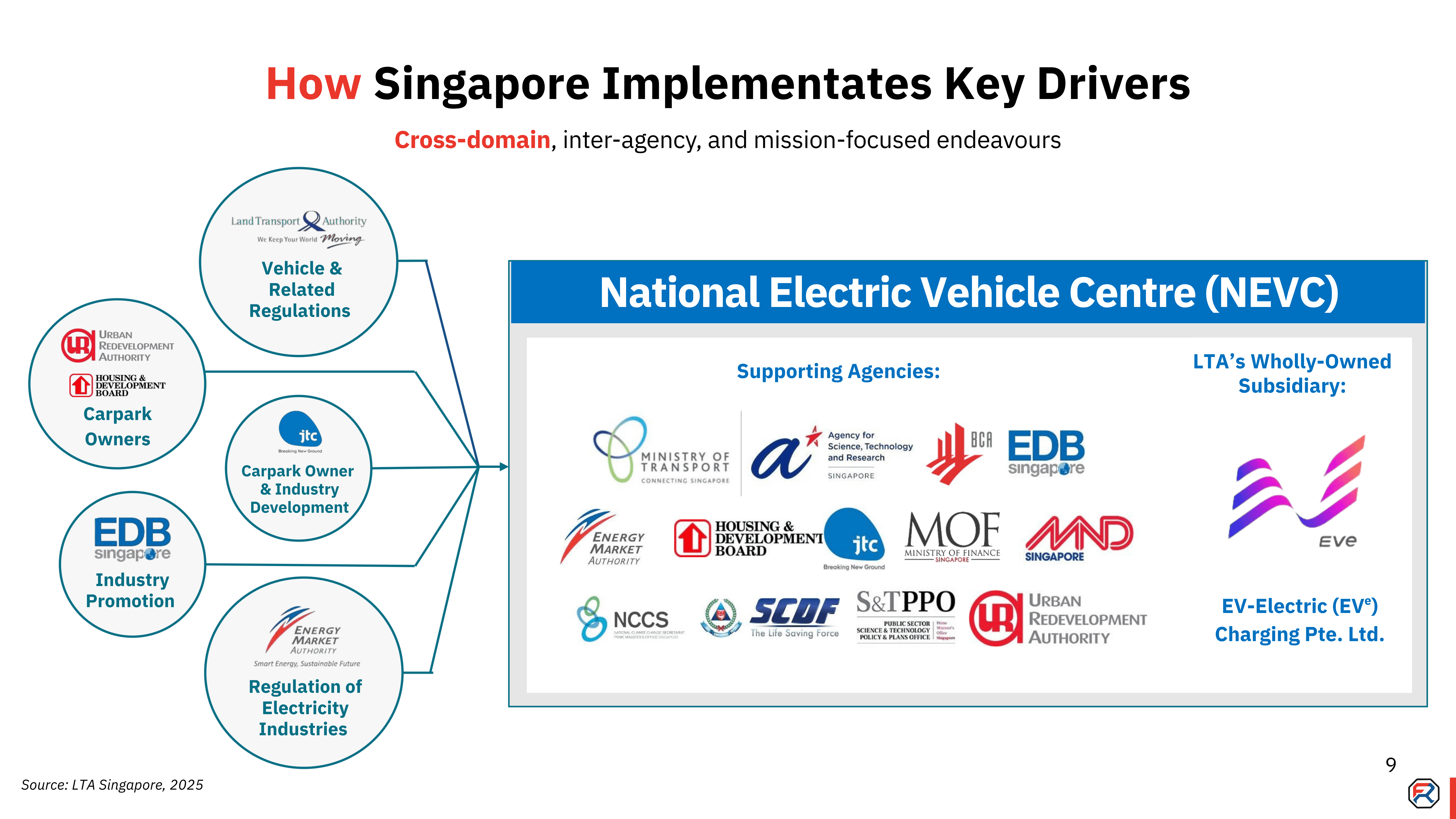
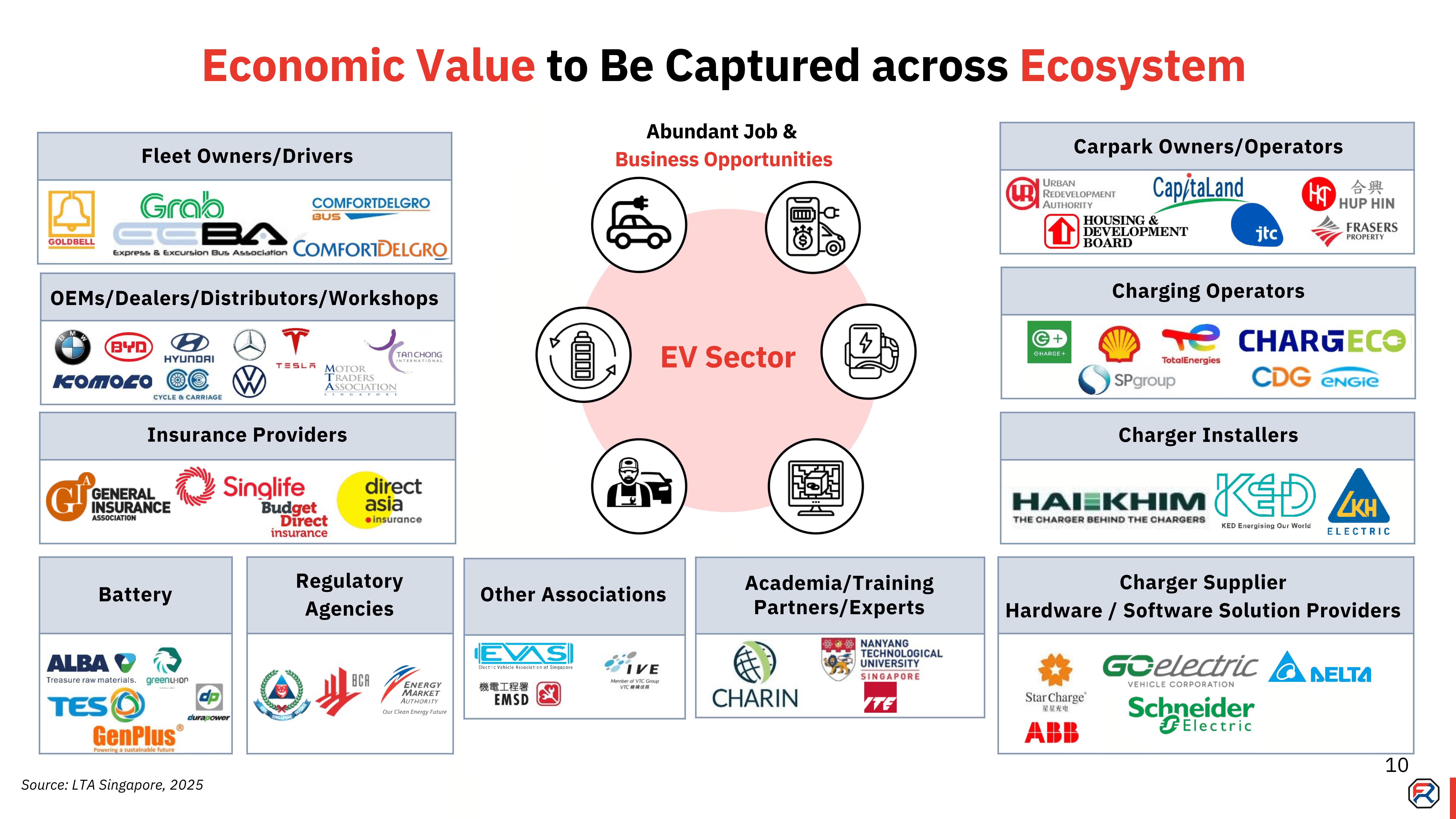
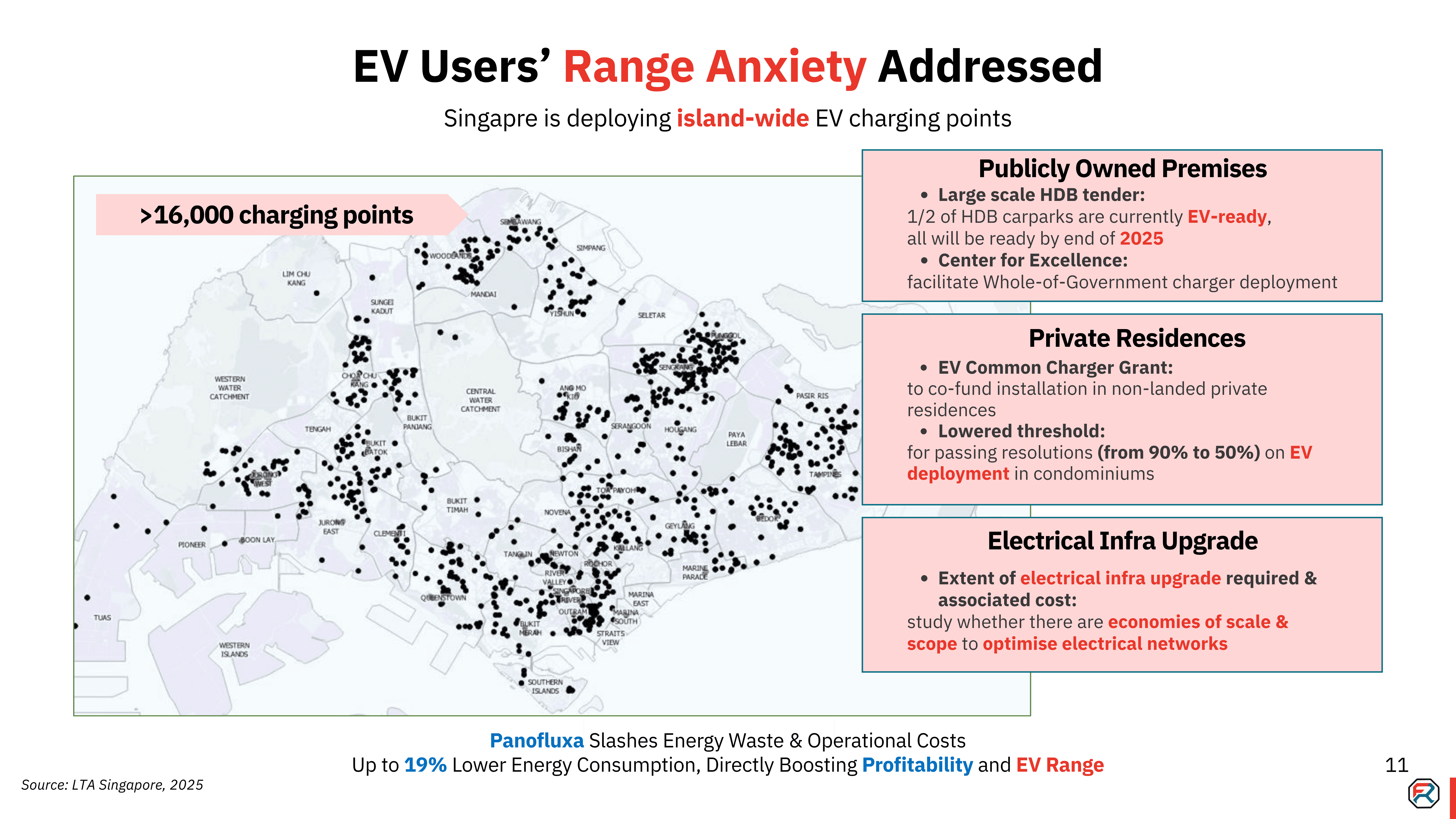
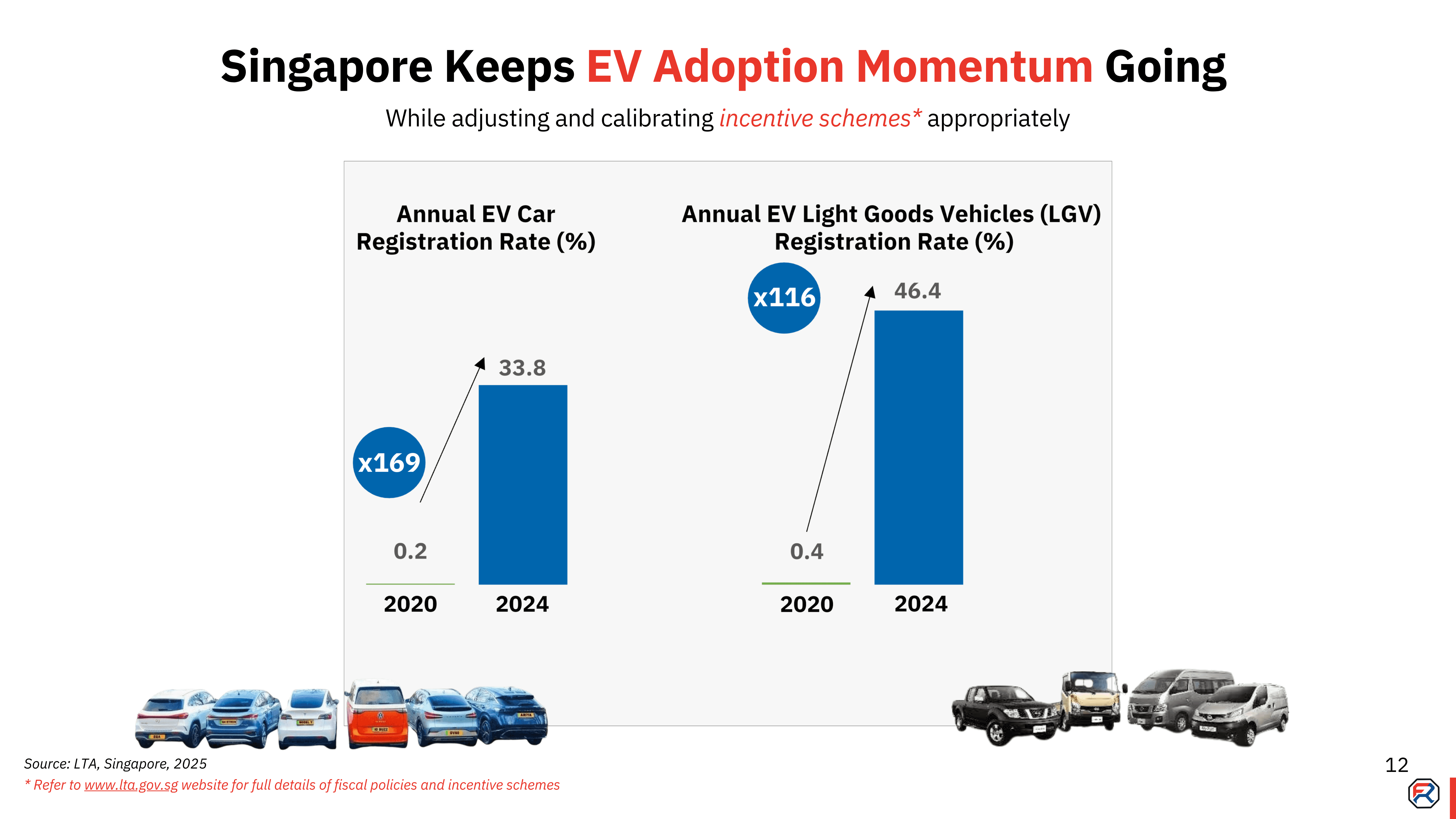
Deep Dive: Singapore's EV Transition Case Study
Explore our in-depth analysis of the policies, key players, and strategic opportunities driving Singapore's 2050 net-zero emissions goal
Our Deep Tech Moat: The Foundational AI
Why Physics-Informed AI is the Key to Unlocking the Next Era of Industrial Performance—And Why Fluorion is Uniquely Positioned to Deliver It.
The New Frontier of AI: Intelligence That Understands Physics
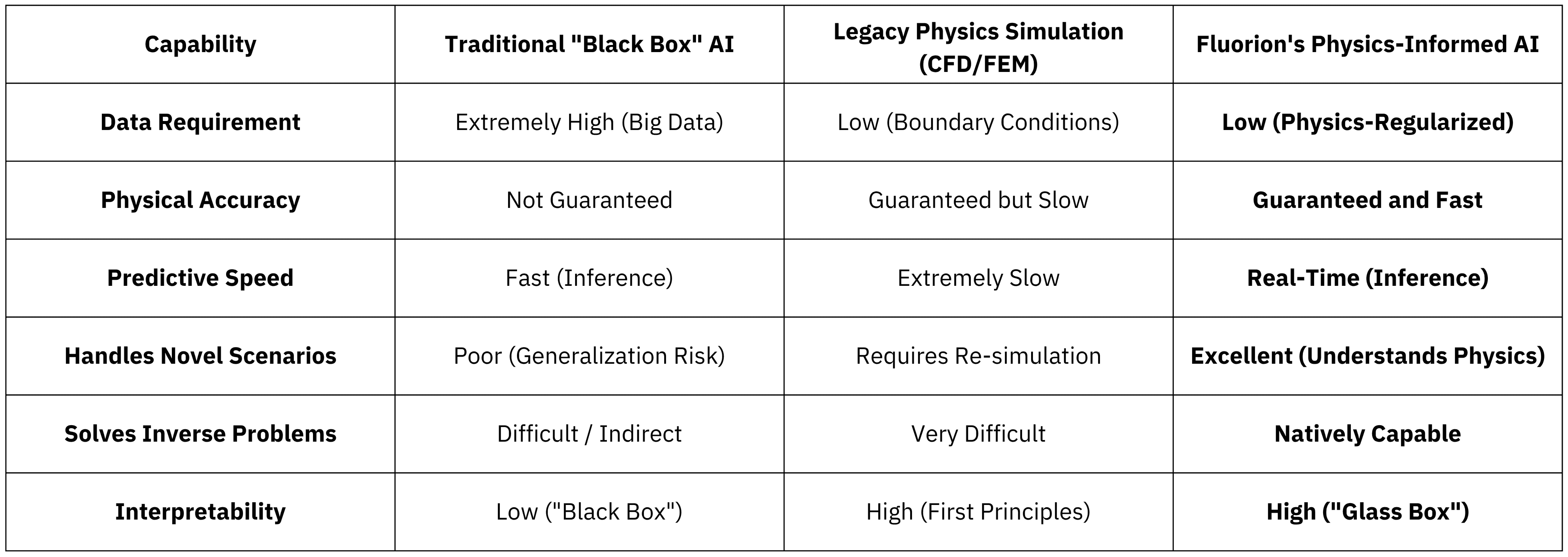
For the past decade, artificial intelligence has been defined by its ability to learn from data. So-called "black box" models, from image classifiers to large language models, have achieved superhuman performance by identifying complex patterns and correlations within massive datasets. While revolutionary for the digital world, this approach has a fundamental flaw when applied to the physical world: it is illiterate in the language of the universe—physics [1]. Traditional AI does not understand concepts like conservation of energy, fluid dynamics, or heat transfer. It only understands data. This makes it dangerously unreliable for high-stakes engineering applications, requiring impossibly large datasets to approximate the physical laws it cannot comprehend [4].
Fluorion is pioneering a new paradigm: Physics-Informed Neural Networks (PINNs). This is not an incremental improvement on existing AI; it is a fundamental shift from opaque, data-hungry models to transparent, data-efficient, and physically-literate intelligence. PINNs are a specialized class of neural networks that embed the governing laws of physics—expressed as partial differential equations (PDEs)—directly into their learning process.5 The model's objective, or 'loss function', is not just to match the available sensor data, but also to ensure its predictions strictly adhere to the fundamental principles of thermodynamics and heat transfer at every point in space and time [8].
This creates a powerful "glass box" advantage. Because a PINN is constrained by immutable physical laws, its reasoning is inherently interpretable and trustworthy [1]. It cannot produce a physically impossible result, solving the "black box problem" that makes conventional AI unsuitable for safety-critical systems where failure is not an option [2]. This foundational shift unlocks three strategic capabilities that were previously unattainable:
Extreme Data Efficiency: By leveraging the laws of physics as a powerful form of regularization, PINNs can achieve unparalleled accuracy with sparse, noisy, and incomplete data [6]. The physical laws provide a priori knowledge that guides the learning process, drastically reducing the need for expensive and often unobtainable training data [11]. In industrial settings—from battery development to aerospace engineering—where physical testing is costly, destructive, or time-consuming, this data efficiency represents a profound economic advantage [12].
Superior Generalization and Extrapolation: A purely data-driven model is brittle; it fails when it encounters a scenario not present in its training data. A PINN, by contrast, generalizes with remarkable robustness because its understanding is rooted in first principles [7]. It can accurately predict system behavior under novel conditions because it understands the underlying causal relationships, not just historical correlations.
The Power to Solve Inverse Problems: Perhaps the most transformative capability of PINNs is their innate ability to solve inverse problems. Given a set of observed effects (e.g., temperature readings from a few sensors), a PINN can infer the hidden causes or unknown parameters of the system (e.g., the precise thermal conductivity of a new material or the location of an internal fault) [7]. This is a game-changing capability for creating high-fidelity digital twins, accelerating materials discovery, and performing system identification—tasks that are exceptionally difficult, if not impossible, for both traditional AI and legacy simulation software.
The strategic implications are clear. PINNs do not just offer a better model; they fundamentally alter the trade-offs between speed, cost, and accuracy that have defined engineering for decades. By collapsing the computational cost of high-fidelity simulation and slashing the data acquisition cost of AI, this technology enables real-time, physics-based optimization and control systems that were previously economically and computationally infeasible.
Our Deep Tech Moat: The Foundational AI
Why Physics-Informed AI is the Key to Unlocking the Next Era of Industrial Performance—And Why Fluorion is Uniquely Positioned to Deliver It.
The New Frontier of AI: Intelligence That Understands Physics
For the past decade, artificial intelligence has been defined by its ability to learn from data. So-called "black box" models, from image classifiers to large language models, have achieved superhuman performance by identifying complex patterns and correlations within massive datasets. While revolutionary for the digital world, this approach has a fundamental flaw when applied to the physical world: it is illiterate in the language of the universe—physics [1]. Traditional AI does not understand concepts like conservation of energy, fluid dynamics, or heat transfer. It only understands data. This makes it dangerously unreliable for high-stakes engineering applications, requiring impossibly large datasets to approximate the physical laws it cannot comprehend [4].
Fluorion is pioneering a new paradigm: Physics-Informed Neural Networks (PINNs). This is not an incremental improvement on existing AI; it is a fundamental shift from opaque, data-hungry models to transparent, data-efficient, and physically-literate intelligence. PINNs are a specialized class of neural networks that embed the governing laws of physics—expressed as partial differential equations (PDEs)—directly into their learning process.5 The model's objective, or 'loss function', is not just to match the available sensor data, but also to ensure its predictions strictly adhere to the fundamental principles of thermodynamics and heat transfer at every point in space and time [8].
This creates a powerful "glass box" advantage. Because a PINN is constrained by immutable physical laws, its reasoning is inherently interpretable and trustworthy [1]. It cannot produce a physically impossible result, solving the "black box problem" that makes conventional AI unsuitable for safety-critical systems where failure is not an option [2]. This foundational shift unlocks three strategic capabilities that were previously unattainable:
Extreme Data Efficiency: By leveraging the laws of physics as a powerful form of regularization, PINNs can achieve unparalleled accuracy with sparse, noisy, and incomplete data [6]. The physical laws provide a priori knowledge that guides the learning process, drastically reducing the need for expensive and often unobtainable training data [11]. In industrial settings—from battery development to aerospace engineering—where physical testing is costly, destructive, or time-consuming, this data efficiency represents a profound economic advantage [12].
Superior Generalization and Extrapolation: A purely data-driven model is brittle; it fails when it encounters a scenario not present in its training data. A PINN, by contrast, generalizes with remarkable robustness because its understanding is rooted in first principles [7]. It can accurately predict system behavior under novel conditions because it understands the underlying causal relationships, not just historical correlations.
The Power to Solve Inverse Problems: Perhaps the most transformative capability of PINNs is their innate ability to solve inverse problems. Given a set of observed effects (e.g., temperature readings from a few sensors), a PINN can infer the hidden causes or unknown parameters of the system (e.g., the precise thermal conductivity of a new material or the location of an internal fault) [7]. This is a game-changing capability for creating high-fidelity digital twins, accelerating materials discovery, and performing system identification—tasks that are exceptionally difficult, if not impossible, for both traditional AI and legacy simulation software.
The strategic implications are clear. PINNs do not just offer a better model; they fundamentally alter the trade-offs between speed, cost, and accuracy that have defined engineering for decades. By collapsing the computational cost of high-fidelity simulation and slashing the data acquisition cost of AI, this technology enables real-time, physics-based optimization and control systems that were previously economically and computationally infeasible.
A Watershed Moment: The Convergence of Compute, Algorithms, and Market Need
The theoretical underpinnings of using neural networks to solve differential equations date back to the 1990s. However, the modern, practical framework for PINNs was established in a seminal 2019 paper that has since catalyzed the field [12]. The true inflection point—the moment PINNs transitioned from an academic curiosity to a commercially viable technology—has occurred only in the last 24-36 months. This recency is a crucial strategic advantage, creating a window of opportunity before the market is crowded with incumbents. This is not a technology that is ten years too early; its time is now, driven by a perfect storm of technological maturity and urgent market demand.
The evidence for this watershed moment is threefold:
Accelerating Algorithmic Maturity: The period since 2022 has seen an exponential surge in PINN research, with thousands of papers published annually across domains from fluid dynamics to materials science [12]. This is not just incremental progress; it includes fundamental breakthroughs in architecture and training that are rapidly advancing the technology's capabilities, such as "Over-PINNs" which enhance accuracy by incorporating higher-order physical constraints [15] and "GPINNs" which have demonstrated the ability to surpass the accuracy of traditional numerical methods [16].
Mainstream Industry Validation: The commercial world has taken notice. In 2021, PINNs were officially included in the Gartner Hype Cycle for Emerging Technologies, a definitive signal of serious industry interest and a leading indicator of future enterprise adoption [12]. This was followed by the launch of commercial-grade development platforms like NVIDIA's PhysicsNeMo, a toolkit explicitly designed to help enterprises build and scale industrial PINN applications [12]. The existence of such tools from a market leader like NVIDIA validates the technology's readiness for real-world deployment.
An Acute and Unsolvable Market Pull: Most importantly, the technology has matured at the exact moment that two of the world's largest and fastest-growing industries have hit a hard physical limit: heat.
The Electric Vehicle Thermal Bottleneck: The entire EV ecosystem—from battery manufacturers to automotive OEMs—is fundamentally constrained by thermal management. Battery performance, longevity, charging speed, and, most critically, safety are all dictated by the ability to precisely manage heat [18]. Inefficient thermal management is not a minor issue; it can reduce an EV's effective range by as much as 68% in certain conditions, a massive liability for consumers and fleet operators [21]. The market is in urgent need of intelligent, predictive thermal control that legacy methods cannot provide.
The Data Center Energy Crisis: The AI revolution is powered by high-density hardware like GPUs and TPUs that generate unprecedented levels of heat [22]. As a result, data centers are facing a thermal crisis. Cooling now accounts for a staggering 30-40% of a data center's total energy consumption, representing a massive operational cost and a significant sustainability challenge [24]. Traditional air cooling methods are reaching their physical limits, creating a direct performance bottleneck for the continued growth of the AI industry [22]. The global data center cooling market is projected to surge from approximately $18.78 billion in 2025 to $42.48 billion by 2032, reflecting the scale and urgency of this problem [26].
This is not a technology in search of a problem. This is a multi-hundred-billion-dollar market bottleneck that has been waiting for this specific technology to mature. The convergence of algorithmic readiness and acute market need creates a historic opportunity for a first-mover with a defensible technological advantage.
The Unbreachable Moat: Why Building Our AI is Fundamentally Hard
In a world where many forms of AI are becoming commoditized, Fluorion's defensibility is not rooted in a single algorithm, but in the profound difficulty of building the technology in the first place. Creating industrial-grade Physics-Informed Neural Networks is a fundamentally different and more complex challenge than developing conventional machine learning models. The barrier to entry is not capital, but a rare and deeply integrated form of multidisciplinary expertise.
A competitor cannot simply hire a team of talented ML engineers and replicate our technology. Success requires assembling and, more importantly, synthesizing a team with world-class, PhD-level expertise in two historically siloed domains [27]:
Computational Physics and Domain Science: This requires a profound understanding of the underlying physical principles—thermodynamics, fluid dynamics, and heat transfer. It demands the ability to mathematically formulate complex, real-world thermal phenomena as systems of nonlinear partial differential equations [27]. This is the realm of the computational physicist and the specialized engineer, individuals who have spent their careers mastering the language of first-principles modeling.
Advanced Machine Learning and High-Performance Computing: This requires elite, practical skills in modern deep learning frameworks like PyTorch and TensorFlow, sophisticated neural network architecture design, advanced gradient-based optimization techniques, and the ability to scale training across distributed GPU infrastructure [27]. This is the domain of the cutting-edge AI researcher and ML systems engineer.
The true moat lies in the integration of these two worlds. It is not enough to have these experts in the same company; they must operate as a single, cohesive unit where knowledge is deeply interwoven [33]. The physicist must develop an intuition for the failure modes of neural network optimizers, and the machine learning engineer must grasp the subtle nuances of enforcing boundary conditions and conservation laws in a physical system [29]. This process of creating a shared language and a unified problem-solving framework is fraught with collaborative friction and takes years to perfect [28].
This creates a human capital moat that is far more defensible than a purely algorithmic one. The global talent pool for individuals who are genuinely fluent in both computational physics and state-of-the-art deep learning is vanishingly small [27]. Large technology companies, with their functional silos optimized for scaling known solutions, are poorly structured to foster the kind of deep, cross-disciplinary R&D required [35]. A competitor cannot acquire this capability overnight. They would need to replicate our entire integrated research culture and development process—a feat that is exceptionally difficult and time-consuming. Fluorion's defensibility is our proven ability to have built and successfully scaled this rare, multidisciplinary engine of innovation.
The Hidden Failure Mode of Academic PINNs
While the academic literature is filled with promising results for PINNs, there is a critical gap between a proof-of-concept model in a research paper and a robust, reliable system ready for industrial deployment. Standard, "vanilla" PINNs are notoriously difficult to train and are plagued by a set of well-documented "training pathologies" that make them unsuitable for mission-critical applications where failure can have catastrophic financial or safety consequences [11]. Understanding these failure modes is key to appreciating the value of Fluorion's proprietary technology.
The core challenge lies in the complexity of the optimization problem. The PINN's loss function is a composite of multiple, often competing, objectives: one term for matching sensor data, one for satisfying the governing PDE inside the domain, and others for matching the initial and boundary conditions [39]. This multi-objective landscape is treacherous, leading to several common modes of failure:
Unbalanced Gradients and Catastrophic Forgetting: This is the most critical and common failure mode. During training, the gradients flowing from one part of the loss function (typically the PDE residual) can become orders of magnitude larger than the gradients from other parts (like the boundary conditions) [40]. The optimization algorithm, seeking the steepest path of descent, effectively prioritizes satisfying the physics in the middle of the domain while completely ignoring the critical constraints at the edges. The result is a model that produces a solution that appears plausible but is physically incorrect where it matters most, leading to a catastrophic failure in any real-world engineering system [39].
Spectral Bias and Inability to Capture Sharp Features: Standard neural network architectures have an inherent "spectral bias," meaning they are far better at learning simple, smooth, low-frequency functions than complex, high-frequency ones [43]. In thermal management, the most important phenomena are often high-frequency events: the formation of localized hotspots, sharp temperature gradients across material interfaces, or rapid temporal changes during fast charging. A naive PINN will struggle to capture these critical features, producing an overly smoothed-out and dangerously inaccurate prediction of the system's true state [46].
Convergence to Non-Physical Solutions: The highly complex and non-convex loss landscape of a PINN is riddled with poor local minima [37]. The optimizer can easily become trapped in one of these minima, converging to a solution that perfectly satisfies the mathematical equations but corresponds to a physically impossible state of the system [44]. For a safety-critical application like an EV battery, deploying an AI that might converge to an unphysical state is an unacceptable risk.
The intense focus on these failure modes in the recent academic literature validates the severity and difficulty of the problem Fluorion has solved [38]. It proves that standard, open-source implementations of PINNs are not "good enough" for industrial use. This creates a clear and significant market opportunity for a company that can deliver a PINN framework that is guaranteed to be robust, reliable, and physically correct.
Fluorion's Breakthrough: An Entropy-Aware Training Framework
Fluorion's core intellectual property is a proprietary methodology designed to solve the fundamental training instability and reliability problems that prevent standard Physics-Informed Neural Networks from being deployed in the real world. We call our approach the Entropy-Aware Training Framework—a suite of advanced techniques that transforms PINNs from a fragile academic tool into a robust, industrial-grade intelligence engine.
The concept is intentional. In thermodynamics, entropy is a measure of disorder. In PINN training, the optimization process can easily descend into a state of high entropy—a chaotic search through a complex loss landscape that leads to non-physical and incorrect solutions. Our Entropy-Aware framework is, in essence, a control system designed to manage this process, ensuring the optimizer converges to the single, ordered, physically correct global minimum.
At a strategic level, our framework is a dynamic regularization and re-weighting technique inspired by the principles of thermodynamic stability. It functions as an intelligent supervisor during the training loop:
Monitoring and Diagnosis: The framework actively monitors the training dynamics in real-time, analyzing gradient statistics and solution stability to detect the early onset of pathologies like gradient imbalance or divergence towards a non-physical solution path.
Adaptive Intervention: When the optimizer begins to stray into a "high-entropy" region of the loss landscape, the framework intervenes. It adaptively re-balances the weights of the competing loss terms, preventing any single objective from dominating the training process. This approach is inspired by, and significantly advances, academic research into adaptive loss balancing, providing a far more sophisticated and stable solution [40].
Guided Trajectory Correction: In cases of severe divergence, the system can perform a targeted "reset" of parts of the network's solution space, effectively re-initializing the optimization path onto a stable trajectory. This prevents the optimizer from becoming permanently trapped in a poor local minimum and guides it back towards the physically correct solution [49].
While standard PINNs require extensive manual tuning with no guarantee of success, Fluorion's framework makes convergence to the correct, physically-consistent solution a managed and repeatable process. This breakthrough in robustness and stability is what makes our AI safe, effective, and ready for deployment in the most demanding, safety-critical industrial systems. It is the key that unlocks the full commercial potential of physics-informed AI.
The Vision: The Foundational Intelligence for a Thermally-Constrained World
Progress in the most critical sectors of the 21st-century economy—from sustainable transportation and artificial intelligence to aerospace and advanced manufacturing—is now fundamentally limited by a single, inescapable physical constraint: thermal management. Heat is the new bottleneck to performance, efficiency, and safety. Legacy design and control methods are no longer sufficient to manage the complexity and thermal density of modern systems.
Fluorion's Physics-Informed AI provides the foundational intelligence layer required to break through this thermal barrier. Our technology is not a niche tool for a single application; it is a horizontal platform that unlocks the next era of performance across high-growth industries.
For Electric Vehicles: Our AI is the key to solving the core challenges holding back mass adoption. For battery designers, it provides a high-fidelity digital twin that can slash development time and cost. For vehicles in operation, it enables intelligent, predictive thermal management that can maximize range, dramatically accelerate charging speeds, and provide real-time health monitoring to ensure uncompromising safety. We are providing the intelligence needed to win in the multi-trillion-dollar EV market [18].
For Data Centers: We offer an escape from the death spiral of soaring energy costs and performance throttling. Our AI allows data center operators to move from static, over-provisioned cooling to dynamic, real-time optimization. By intelligently predicting thermal loads and precisely controlling cooling systems, we can significantly reduce Power Usage Effectiveness (PUE), directly impacting the P&L and enabling the continued scaling of power-hungry AI infrastructure. This addresses a market projected to exceed $42 billion by 2032 and is critical to the future of the entire AI industry [23].
For the Future of High-Performance Systems: The applicability of our platform extends to any domain where thermal dynamics are a limiting factor, including next-generation aerospace systems, high-power electronics, and advanced manufacturing processes [12].
Fluorion is more than a thermal management company. We are a foundational intelligence company. Our AI is the essential operating system for any high-performance physical system where heat is a critical factor. We provide the intelligence layer that will allow the next generation of technology to run faster, more efficiently, and more sustainably than ever before. We are building the "Intel Inside" for a thermally-constrained world.
References
A Short Introduction to Physics-informed Neural Networks (PINNs) | by Vivek Karmarkar, accessed on October 25, 2025, https://medium.com/@vivek-karmarkar/a-short-introduction-to-physics-informed-neural-networks-pinns-cd342f5a3c5e
AI's mysterious 'black box' problem, explained | University of Michigan-Dearborn, accessed on October 25, 2025, https://umdearborn.edu/news/ais-mysterious-black-box-problem-explained
On the convergence of PINNs - LPSM, accessed on October 25, 2025, https://perso.lpsm.paris/~biau/BIAU/dbb.pdf
Understanding Physics-Informed Neural Networks: Techniques, Applications, Trends, and Challenges - MDPI, accessed on October 25, 2025, https://www.mdpi.com/2673-2688/5/3/74
www.mathworks.com, accessed on October 25, 2025, https://www.mathworks.com/discovery/physics-informed-neural-networks.html#:~:text=Physics%2Dinformed%20neural%20networks%20(PINNs)%20are%20neural%20networks%20that,consistent%20with%20the%20underlying%20physics.
Physics-informed neural networks - Wikipedia, accessed on October 25, 2025, https://en.wikipedia.org/wiki/Physics-informed_neural_networks
Revolutionary Physics Informed Neural Networks (PINNs) Guide - CAE Assistant, accessed on October 25, 2025, https://caeassistant.com/blog/physics-informed-neural-networks-pinns/
What Are Physics-Informed Neural Networks (PINNs)? - MATLAB ..., accessed on October 25, 2025, https://www.mathworks.com/discovery/physics-informed-neural-networks.html
Physics Informed Neural Networks (PINNs) [Physics Informed Machine Learning] - YouTube, accessed on October 25, 2025, https://www.youtube.com/watch?v=-zrY7P2dVC4
From PINNs to PIKANs: Recent Advances in Physics-Informed Machine Learning - arXiv, accessed on October 25, 2025, https://arxiv.org/html/2410.13228v1
Evolutionary Optimization of Physics-Informed Neural Networks: Survey and Prospects, accessed on October 25, 2025, https://arxiv.org/html/2501.06572v2
What are Physics-Informed Neural Networks (PINNs)? Guide 2025, accessed on October 25, 2025, https://www.articsledge.com/post/physics-informed-neural-networks-pinns
(PDF) Not Just Another Survey on Physics-Informed Neural ..., accessed on October 25, 2025, https://www.researchgate.net/publication/394624352_Not_Just_Another_Survey_on_Physics-Informed_Neural_Networks_PINNs_Foundations_Advances_and_Open_Problems
Physics-informed neural networks (P INNs): application categories, trends and impact - ResearchGate, accessed on October 25, 2025, https://www.researchgate.net/profile/Mohammad_Ghalambaz2/publication/382166877_Physics-informed_neural_networks_P_INNs_application_categories_trends_and_impact/links/66a86886c6e41359a849cc2b/Physics-informed-neural-networks-P-INNs-application-categories-trends-and-impact.pdf
Over-PINNs: Enhancing Physics-Informed Neural Networks via Higher-Order Partial Derivative Overdetermination of PDEs - arXiv, accessed on October 25, 2025, https://arxiv.org/html/2506.05918v1
Global physics-informed neural networks (GPINNs): from local point-wise constraint to global nodal association 1 - arXiv, accessed on October 25, 2025, https://arxiv.org/html/2503.06403v1
Using Hybrid Physics-Informed Neural Networks for Digital Twins in Prognosis and Health Management | NVIDIA Technical Blog, accessed on October 25, 2025, https://developer.nvidia.com/blog/using-hybrid-physics-informed-neural-networks-for-digital-twins-in-prognosis-and-health-management/
Opportunities in the Growing EV Battery Thermal Management Market - IDTechEx, accessed on October 25, 2025, https://www.idtechex.com/en/research-article/opportunities-in-the-growing-ev-battery-thermal-management-market/33769
Review of Thermal Management Technology for Electric Vehicles - MDPI, accessed on October 25, 2025, https://www.mdpi.com/1996-1073/16/12/4693
EV Thermal Management - Electric Vehicle - Meegle, accessed on October 25, 2025, https://www.meegle.com/en_us/topics/electric-vehicle/ev-thermal-management
Electric-Drive Vehicle Thermal Management | Transportation and Mobility Research - NREL, accessed on October 25, 2025, https://www.nrel.gov/transportation/electric-drive-vehicle-thermal-management
Thermal management in AI data centers: challenges and solutions ..., accessed on October 25, 2025, https://blogs.juniper.net/en-us/ai-data-center-networking/thermal-management-in-ai-data-centers-challenges-and-solutions
Why Data Center Cooling Is the Next Big Tech Battleground - Market Research Blog, accessed on October 25, 2025, https://blog.marketresearch.com/why-data-center-cooling-is-the-next-big-tech-battleground
Smart Solutions to Overcome Data Center Cooling Challenges - Badger Meter, accessed on October 25, 2025, https://www.badgermeter.com/blog/data-center-cooling-challenges/
Cogeneration For The Next Generation Of Data Centers - Forrester, accessed on October 25, 2025, https://www.forrester.com/blogs/cogen-for-the-next-gen-of-data-center/
Data Center Cooling Market Size, Share | Forecast Report [2032], accessed on October 25, 2025, https://www.fortunebusinessinsights.com/industry-reports/data-center-cooling-market-101959
What are the key skills and qualifications needed to thrive in the ..., accessed on October 25, 2025, https://www.ziprecruiter.com/e/What-are-the-key-skills-and-qualifications-needed-to-thrive-in-the-Physics-Informed-Neural-Networks-position-and-why-are-they-important
Interdisciplinary Research in Artificial Intelligence ... - Frontiers, accessed on October 25, 2025, https://www.frontiersin.org/journals/big-data/articles/10.3389/fdata.2020.577974/full
What are the typical daily tasks involved in a Physics Informed Neural Networks position, accessed on October 25, 2025, https://www.ziprecruiter.com/e/What-are-the-typical-daily-tasks-involved-in-a-Physics-Informed-Neural-Networks-position
The multi-level physics-informed neural network (ml-PINN) for... - ResearchGate, accessed on October 25, 2025, https://www.researchgate.net/figure/The-multi-level-physics-informed-neural-network-ml-PINN-for-generalization_fig4_385497305
The Role of a Neural Network Engineer - Coursera, accessed on October 25, 2025, https://www.coursera.org/articles/neural-network-engineer
Revolutionizing AI Engineering: Generative Design & PINNs - Rescale, accessed on October 25, 2025, https://rescale.com/blog/revolutionizing-ai-engineering-exploring-generative-design-and-physics-informed-neural-networks/
Why Interdisciplinary Teams Fail: A Systematic Analysis With Activity Theory in Clinical AI Collaboration - arXiv, accessed on October 25, 2025, https://arxiv.org/html/2410.00174v2
What Challenges Arise during Interdisciplinary Ai Research? → Question - Lifestyle → Sustainability Directory, accessed on October 25, 2025, https://lifestyle.sustainability-directory.com/question/what-challenges-arise-during-interdisciplinary-ai-research/
How AI Developers Overcome Communication Challenges in a Multidisciplinary Team: A Case Study - April Wang, accessed on October 25, 2025, https://aprilwang.me/assets/pubs/CSCW21_Multidisciplinary.pdf
Essential Review Papers on Physics-Informed Neural Networks: A Curated Guide for Practitioners | Towards Data Science, accessed on October 25, 2025, https://towardsdatascience.com/essential-review-papers-on-physics-informed-neural-networks-a-curated-guide-for-practitioners/
LIMITATIONS OF PHYSICS INFORMED MACHINE LEARNING FOR NONLINEAR TWO-PHASE TRANSPORT IN POROUS MEDIA | Request PDF - ResearchGate, accessed on October 25, 2025, https://www.researchgate.net/publication/343407849_LIMITATIONS_OF_PHYSICS_INFORMED_MACHINE_LEARNING_FOR_NONLINEAR_TWO-PHASE_TRANSPORT_IN_POROUS_MEDIA
(PDF) An Expert's Guide to Training Physics-informed Neural ..., accessed on October 25, 2025, https://www.researchgate.net/publication/373160693_An_Expert's_Guide_to_Training_Physics-informed_Neural_Networks
Taming PINNs: How Hard Constraints Make Neural Networks Obey Physics | by Sébastien Gilbert | Data Science Collective | Sep, 2025 | Medium, accessed on October 25, 2025, https://medium.com/data-science-collective/taming-pinns-how-hard-constraints-make-neural-networks-obey-physics-7d78e5b9f7a5
Understanding and Mitigating Gradient Flow Pathologies in Physics-Informed Neural Networks | SIAM Journal on Scientific Computing, accessed on October 25, 2025, https://epubs.siam.org/doi/abs/10.1137/20M1318043
(PDF) Understanding and Mitigating Gradient Flow Pathologies in Physics-Informed Neural Networks - ResearchGate, accessed on October 25, 2025, https://www.researchgate.net/publication/354486143_Understanding_and_Mitigating_Gradient_Flow_Pathologies_in_Physics-Informed_Neural_Networks
Physics-Informed Neural Network (PINN) Evolution and Beyond: A ..., accessed on October 25, 2025, https://www.mdpi.com/2504-2289/6/4/140
"When and why physics-informed neural networks fail to train" by Paris Perdikaris - YouTube, accessed on October 25, 2025, https://www.youtube.com/watch?v=xvOsV106kuA
An Expert's Guide to Training Physics-informed Neural Networks ..., accessed on October 25, 2025, https://www.alphaxiv.org/overview/2308.08468v1
Physics-informed neural networks for solving moving interface flow problems using the level set approach - arXiv, accessed on October 25, 2025, https://arxiv.org/html/2502.02440v1
Discontinuity-aware KAN-based physics-informed neural networks - arXiv, accessed on October 25, 2025, https://arxiv.org/html/2507.08338v1
Data-Guided Physics-Informed Neural Networks for Solving Inverse Problems in Partial Differential Equations - ResearchGate, accessed on October 25, 2025, https://www.researchgate.net/publication/382271527_Data-Guided_Physics-Informed_Neural_Networks_for_Solving_Inverse_Problems_in_Partial_Differential_Equations
Understanding the Difficulty of Training Physics-Informed Neural Networks on Dynamical Systems - OpenReview, accessed on October 25, 2025, https://openreview.net/attachment?id=TG4h0Pdd2_0&name=pdf
A regularization scheme for PINN training to avoid unstable fixed points of dynamical systems - arXiv, accessed on October 25, 2025, https://arxiv.org/html/2509.11768v1
Stability in Training PINNs for Stiff PDEs: Why Initial Conditions Matter - arXiv, accessed on October 25, 2025, https://arxiv.org/html/2404.16189v3
FP64 is All You Need: Rethinking Failure Modes in Physics-Informed Neural Networks, accessed on October 25, 2025, https://arxiv.org/html/2505.10949v1
Electric Vehicle Thermal Management Market Size, Growth, Trends ..., accessed on October 25, 2025, https://www.alliedmarketresearch.com/electric-vehicle-thermal-management-market-A12255
Physics-informed Neural Networks for Space Applications | ACT of ESA, accessed on October 25, 2025, https://www.esa.int/gsp/ACT/projects/PINNs_for_space_application/
A Watershed Moment: The Convergence of Compute, Algorithms, and Market Need
The theoretical underpinnings of using neural networks to solve differential equations date back to the 1990s. However, the modern, practical framework for PINNs was established in a seminal 2019 paper that has since catalyzed the field [12]. The true inflection point—the moment PINNs transitioned from an academic curiosity to a commercially viable technology—has occurred only in the last 24-36 months. This recency is a crucial strategic advantage, creating a window of opportunity before the market is crowded with incumbents. This is not a technology that is ten years too early; its time is now, driven by a perfect storm of technological maturity and urgent market demand.
The evidence for this watershed moment is threefold:
Accelerating Algorithmic Maturity: The period since 2022 has seen an exponential surge in PINN research, with thousands of papers published annually across domains from fluid dynamics to materials science [12]. This is not just incremental progress; it includes fundamental breakthroughs in architecture and training that are rapidly advancing the technology's capabilities, such as "Over-PINNs" which enhance accuracy by incorporating higher-order physical constraints [15] and "GPINNs" which have demonstrated the ability to surpass the accuracy of traditional numerical methods [16].
Mainstream Industry Validation: The commercial world has taken notice. In 2021, PINNs were officially included in the Gartner Hype Cycle for Emerging Technologies, a definitive signal of serious industry interest and a leading indicator of future enterprise adoption [12]. This was followed by the launch of commercial-grade development platforms like NVIDIA's PhysicsNeMo, a toolkit explicitly designed to help enterprises build and scale industrial PINN applications [12]. The existence of such tools from a market leader like NVIDIA validates the technology's readiness for real-world deployment.
An Acute and Unsolvable Market Pull: Most importantly, the technology has matured at the exact moment that two of the world's largest and fastest-growing industries have hit a hard physical limit: heat.
The Electric Vehicle Thermal Bottleneck: The entire EV ecosystem—from battery manufacturers to automotive OEMs—is fundamentally constrained by thermal management. Battery performance, longevity, charging speed, and, most critically, safety are all dictated by the ability to precisely manage heat [18]. Inefficient thermal management is not a minor issue; it can reduce an EV's effective range by as much as 68% in certain conditions, a massive liability for consumers and fleet operators [21]. The market is in urgent need of intelligent, predictive thermal control that legacy methods cannot provide.
The Data Center Energy Crisis: The AI revolution is powered by high-density hardware like GPUs and TPUs that generate unprecedented levels of heat [22]. As a result, data centers are facing a thermal crisis. Cooling now accounts for a staggering 30-40% of a data center's total energy consumption, representing a massive operational cost and a significant sustainability challenge [24]. Traditional air cooling methods are reaching their physical limits, creating a direct performance bottleneck for the continued growth of the AI industry [22]. The global data center cooling market is projected to surge from approximately $18.78 billion in 2025 to $42.48 billion by 2032, reflecting the scale and urgency of this problem [26].
This is not a technology in search of a problem. This is a multi-hundred-billion-dollar market bottleneck that has been waiting for this specific technology to mature. The convergence of algorithmic readiness and acute market need creates a historic opportunity for a first-mover with a defensible technological advantage.
The Unbreachable Moat: Why Building Our AI is Fundamentally Hard
In a world where many forms of AI are becoming commoditized, Fluorion's defensibility is not rooted in a single algorithm, but in the profound difficulty of building the technology in the first place. Creating industrial-grade Physics-Informed Neural Networks is a fundamentally different and more complex challenge than developing conventional machine learning models. The barrier to entry is not capital, but a rare and deeply integrated form of multidisciplinary expertise.
A competitor cannot simply hire a team of talented ML engineers and replicate our technology. Success requires assembling and, more importantly, synthesizing a team with world-class, PhD-level expertise in two historically siloed domains [27]:
Computational Physics and Domain Science: This requires a profound understanding of the underlying physical principles—thermodynamics, fluid dynamics, and heat transfer. It demands the ability to mathematically formulate complex, real-world thermal phenomena as systems of nonlinear partial differential equations [27]. This is the realm of the computational physicist and the specialized engineer, individuals who have spent their careers mastering the language of first-principles modeling.
Advanced Machine Learning and High-Performance Computing: This requires elite, practical skills in modern deep learning frameworks like PyTorch and TensorFlow, sophisticated neural network architecture design, advanced gradient-based optimization techniques, and the ability to scale training across distributed GPU infrastructure [27]. This is the domain of the cutting-edge AI researcher and ML systems engineer.
The true moat lies in the integration of these two worlds. It is not enough to have these experts in the same company; they must operate as a single, cohesive unit where knowledge is deeply interwoven [33]. The physicist must develop an intuition for the failure modes of neural network optimizers, and the machine learning engineer must grasp the subtle nuances of enforcing boundary conditions and conservation laws in a physical system [29]. This process of creating a shared language and a unified problem-solving framework is fraught with collaborative friction and takes years to perfect [28].
This creates a human capital moat that is far more defensible than a purely algorithmic one. The global talent pool for individuals who are genuinely fluent in both computational physics and state-of-the-art deep learning is vanishingly small [27]. Large technology companies, with their functional silos optimized for scaling known solutions, are poorly structured to foster the kind of deep, cross-disciplinary R&D required [35]. A competitor cannot acquire this capability overnight. They would need to replicate our entire integrated research culture and development process—a feat that is exceptionally difficult and time-consuming. Fluorion's defensibility is our proven ability to have built and successfully scaled this rare, multidisciplinary engine of innovation.
The Hidden Failure Mode of Academic PINNs
While the academic literature is filled with promising results for PINNs, there is a critical gap between a proof-of-concept model in a research paper and a robust, reliable system ready for industrial deployment. Standard, "vanilla" PINNs are notoriously difficult to train and are plagued by a set of well-documented "training pathologies" that make them unsuitable for mission-critical applications where failure can have catastrophic financial or safety consequences [11]. Understanding these failure modes is key to appreciating the value of Fluorion's proprietary technology.
The core challenge lies in the complexity of the optimization problem. The PINN's loss function is a composite of multiple, often competing, objectives: one term for matching sensor data, one for satisfying the governing PDE inside the domain, and others for matching the initial and boundary conditions [39]. This multi-objective landscape is treacherous, leading to several common modes of failure:
Unbalanced Gradients and Catastrophic Forgetting: This is the most critical and common failure mode. During training, the gradients flowing from one part of the loss function (typically the PDE residual) can become orders of magnitude larger than the gradients from other parts (like the boundary conditions) [40]. The optimization algorithm, seeking the steepest path of descent, effectively prioritizes satisfying the physics in the middle of the domain while completely ignoring the critical constraints at the edges. The result is a model that produces a solution that appears plausible but is physically incorrect where it matters most, leading to a catastrophic failure in any real-world engineering system [39].
Spectral Bias and Inability to Capture Sharp Features: Standard neural network architectures have an inherent "spectral bias," meaning they are far better at learning simple, smooth, low-frequency functions than complex, high-frequency ones [43]. In thermal management, the most important phenomena are often high-frequency events: the formation of localized hotspots, sharp temperature gradients across material interfaces, or rapid temporal changes during fast charging. A naive PINN will struggle to capture these critical features, producing an overly smoothed-out and dangerously inaccurate prediction of the system's true state [46].
Convergence to Non-Physical Solutions: The highly complex and non-convex loss landscape of a PINN is riddled with poor local minima [37]. The optimizer can easily become trapped in one of these minima, converging to a solution that perfectly satisfies the mathematical equations but corresponds to a physically impossible state of the system [44]. For a safety-critical application like an EV battery, deploying an AI that might converge to an unphysical state is an unacceptable risk.
The intense focus on these failure modes in the recent academic literature validates the severity and difficulty of the problem Fluorion has solved [38]. It proves that standard, open-source implementations of PINNs are not "good enough" for industrial use. This creates a clear and significant market opportunity for a company that can deliver a PINN framework that is guaranteed to be robust, reliable, and physically correct.
Fluorion's Breakthrough: An Entropy-Aware Training Framework
Fluorion's core intellectual property is a proprietary methodology designed to solve the fundamental training instability and reliability problems that prevent standard Physics-Informed Neural Networks from being deployed in the real world. We call our approach the Entropy-Aware Training Framework—a suite of advanced techniques that transforms PINNs from a fragile academic tool into a robust, industrial-grade intelligence engine.
The concept is intentional. In thermodynamics, entropy is a measure of disorder. In PINN training, the optimization process can easily descend into a state of high entropy—a chaotic search through a complex loss landscape that leads to non-physical and incorrect solutions. Our Entropy-Aware framework is, in essence, a control system designed to manage this process, ensuring the optimizer converges to the single, ordered, physically correct global minimum.
At a strategic level, our framework is a dynamic regularization and re-weighting technique inspired by the principles of thermodynamic stability. It functions as an intelligent supervisor during the training loop:
Monitoring and Diagnosis: The framework actively monitors the training dynamics in real-time, analyzing gradient statistics and solution stability to detect the early onset of pathologies like gradient imbalance or divergence towards a non-physical solution path.
Adaptive Intervention: When the optimizer begins to stray into a "high-entropy" region of the loss landscape, the framework intervenes. It adaptively re-balances the weights of the competing loss terms, preventing any single objective from dominating the training process. This approach is inspired by, and significantly advances, academic research into adaptive loss balancing, providing a far more sophisticated and stable solution [40].
Guided Trajectory Correction: In cases of severe divergence, the system can perform a targeted "reset" of parts of the network's solution space, effectively re-initializing the optimization path onto a stable trajectory. This prevents the optimizer from becoming permanently trapped in a poor local minimum and guides it back towards the physically correct solution [49].
While standard PINNs require extensive manual tuning with no guarantee of success, Fluorion's framework makes convergence to the correct, physically-consistent solution a managed and repeatable process. This breakthrough in robustness and stability is what makes our AI safe, effective, and ready for deployment in the most demanding, safety-critical industrial systems. It is the key that unlocks the full commercial potential of physics-informed AI.
The Vision: The Foundational Intelligence for a Thermally-Constrained World
Progress in the most critical sectors of the 21st-century economy—from sustainable transportation and artificial intelligence to aerospace and advanced manufacturing—is now fundamentally limited by a single, inescapable physical constraint: thermal management. Heat is the new bottleneck to performance, efficiency, and safety. Legacy design and control methods are no longer sufficient to manage the complexity and thermal density of modern systems.
Fluorion's Physics-Informed AI provides the foundational intelligence layer required to break through this thermal barrier. Our technology is not a niche tool for a single application; it is a horizontal platform that unlocks the next era of performance across high-growth industries.
For Electric Vehicles: Our AI is the key to solving the core challenges holding back mass adoption. For battery designers, it provides a high-fidelity digital twin that can slash development time and cost. For vehicles in operation, it enables intelligent, predictive thermal management that can maximize range, dramatically accelerate charging speeds, and provide real-time health monitoring to ensure uncompromising safety. We are providing the intelligence needed to win in the multi-trillion-dollar EV market [18].
For Data Centers: We offer an escape from the death spiral of soaring energy costs and performance throttling. Our AI allows data center operators to move from static, over-provisioned cooling to dynamic, real-time optimization. By intelligently predicting thermal loads and precisely controlling cooling systems, we can significantly reduce Power Usage Effectiveness (PUE), directly impacting the P&L and enabling the continued scaling of power-hungry AI infrastructure. This addresses a market projected to exceed $42 billion by 2032 and is critical to the future of the entire AI industry [23].
For the Future of High-Performance Systems: The applicability of our platform extends to any domain where thermal dynamics are a limiting factor, including next-generation aerospace systems, high-power electronics, and advanced manufacturing processes [12].
Fluorion is more than a thermal management company. We are a foundational intelligence company. Our AI is the essential operating system for any high-performance physical system where heat is a critical factor. We provide the intelligence layer that will allow the next generation of technology to run faster, more efficiently, and more sustainably than ever before. We are building the "Intel Inside" for a thermally-constrained world.
References
A Short Introduction to Physics-informed Neural Networks (PINNs) | by Vivek Karmarkar, accessed on October 25, 2025, https://medium.com/@vivek-karmarkar/a-short-introduction-to-physics-informed-neural-networks-pinns-cd342f5a3c5e
AI's mysterious 'black box' problem, explained | University of Michigan-Dearborn, accessed on October 25, 2025, https://umdearborn.edu/news/ais-mysterious-black-box-problem-explained
On the convergence of PINNs - LPSM, accessed on October 25, 2025, https://perso.lpsm.paris/~biau/BIAU/dbb.pdf
Understanding Physics-Informed Neural Networks: Techniques, Applications, Trends, and Challenges - MDPI, accessed on October 25, 2025, https://www.mdpi.com/2673-2688/5/3/74
www.mathworks.com, accessed on October 25, 2025, https://www.mathworks.com/discovery/physics-informed-neural-networks.html#:~:text=Physics%2Dinformed%20neural%20networks%20(PINNs)%20are%20neural%20networks%20that,consistent%20with%20the%20underlying%20physics.
Physics-informed neural networks - Wikipedia, accessed on October 25, 2025, https://en.wikipedia.org/wiki/Physics-informed_neural_networks
Revolutionary Physics Informed Neural Networks (PINNs) Guide - CAE Assistant, accessed on October 25, 2025, https://caeassistant.com/blog/physics-informed-neural-networks-pinns/
What Are Physics-Informed Neural Networks (PINNs)? - MATLAB ..., accessed on October 25, 2025, https://www.mathworks.com/discovery/physics-informed-neural-networks.html
Physics Informed Neural Networks (PINNs) [Physics Informed Machine Learning] - YouTube, accessed on October 25, 2025, https://www.youtube.com/watch?v=-zrY7P2dVC4
From PINNs to PIKANs: Recent Advances in Physics-Informed Machine Learning - arXiv, accessed on October 25, 2025, https://arxiv.org/html/2410.13228v1
Evolutionary Optimization of Physics-Informed Neural Networks: Survey and Prospects, accessed on October 25, 2025, https://arxiv.org/html/2501.06572v2
What are Physics-Informed Neural Networks (PINNs)? Guide 2025, accessed on October 25, 2025, https://www.articsledge.com/post/physics-informed-neural-networks-pinns
(PDF) Not Just Another Survey on Physics-Informed Neural ..., accessed on October 25, 2025, https://www.researchgate.net/publication/394624352_Not_Just_Another_Survey_on_Physics-Informed_Neural_Networks_PINNs_Foundations_Advances_and_Open_Problems
Physics-informed neural networks (P INNs): application categories, trends and impact - ResearchGate, accessed on October 25, 2025, https://www.researchgate.net/profile/Mohammad_Ghalambaz2/publication/382166877_Physics-informed_neural_networks_P_INNs_application_categories_trends_and_impact/links/66a86886c6e41359a849cc2b/Physics-informed-neural-networks-P-INNs-application-categories-trends-and-impact.pdf
Over-PINNs: Enhancing Physics-Informed Neural Networks via Higher-Order Partial Derivative Overdetermination of PDEs - arXiv, accessed on October 25, 2025, https://arxiv.org/html/2506.05918v1
Global physics-informed neural networks (GPINNs): from local point-wise constraint to global nodal association 1 - arXiv, accessed on October 25, 2025, https://arxiv.org/html/2503.06403v1
Using Hybrid Physics-Informed Neural Networks for Digital Twins in Prognosis and Health Management | NVIDIA Technical Blog, accessed on October 25, 2025, https://developer.nvidia.com/blog/using-hybrid-physics-informed-neural-networks-for-digital-twins-in-prognosis-and-health-management/
Opportunities in the Growing EV Battery Thermal Management Market - IDTechEx, accessed on October 25, 2025, https://www.idtechex.com/en/research-article/opportunities-in-the-growing-ev-battery-thermal-management-market/33769
Review of Thermal Management Technology for Electric Vehicles - MDPI, accessed on October 25, 2025, https://www.mdpi.com/1996-1073/16/12/4693
EV Thermal Management - Electric Vehicle - Meegle, accessed on October 25, 2025, https://www.meegle.com/en_us/topics/electric-vehicle/ev-thermal-management
Electric-Drive Vehicle Thermal Management | Transportation and Mobility Research - NREL, accessed on October 25, 2025, https://www.nrel.gov/transportation/electric-drive-vehicle-thermal-management
Thermal management in AI data centers: challenges and solutions ..., accessed on October 25, 2025, https://blogs.juniper.net/en-us/ai-data-center-networking/thermal-management-in-ai-data-centers-challenges-and-solutions
Why Data Center Cooling Is the Next Big Tech Battleground - Market Research Blog, accessed on October 25, 2025, https://blog.marketresearch.com/why-data-center-cooling-is-the-next-big-tech-battleground
Smart Solutions to Overcome Data Center Cooling Challenges - Badger Meter, accessed on October 25, 2025, https://www.badgermeter.com/blog/data-center-cooling-challenges/
Cogeneration For The Next Generation Of Data Centers - Forrester, accessed on October 25, 2025, https://www.forrester.com/blogs/cogen-for-the-next-gen-of-data-center/
Data Center Cooling Market Size, Share | Forecast Report [2032], accessed on October 25, 2025, https://www.fortunebusinessinsights.com/industry-reports/data-center-cooling-market-101959
What are the key skills and qualifications needed to thrive in the ..., accessed on October 25, 2025, https://www.ziprecruiter.com/e/What-are-the-key-skills-and-qualifications-needed-to-thrive-in-the-Physics-Informed-Neural-Networks-position-and-why-are-they-important
Interdisciplinary Research in Artificial Intelligence ... - Frontiers, accessed on October 25, 2025, https://www.frontiersin.org/journals/big-data/articles/10.3389/fdata.2020.577974/full
What are the typical daily tasks involved in a Physics Informed Neural Networks position, accessed on October 25, 2025, https://www.ziprecruiter.com/e/What-are-the-typical-daily-tasks-involved-in-a-Physics-Informed-Neural-Networks-position
The multi-level physics-informed neural network (ml-PINN) for... - ResearchGate, accessed on October 25, 2025, https://www.researchgate.net/figure/The-multi-level-physics-informed-neural-network-ml-PINN-for-generalization_fig4_385497305
The Role of a Neural Network Engineer - Coursera, accessed on October 25, 2025, https://www.coursera.org/articles/neural-network-engineer
Revolutionizing AI Engineering: Generative Design & PINNs - Rescale, accessed on October 25, 2025, https://rescale.com/blog/revolutionizing-ai-engineering-exploring-generative-design-and-physics-informed-neural-networks/
Why Interdisciplinary Teams Fail: A Systematic Analysis With Activity Theory in Clinical AI Collaboration - arXiv, accessed on October 25, 2025, https://arxiv.org/html/2410.00174v2
What Challenges Arise during Interdisciplinary Ai Research? → Question - Lifestyle → Sustainability Directory, accessed on October 25, 2025, https://lifestyle.sustainability-directory.com/question/what-challenges-arise-during-interdisciplinary-ai-research/
How AI Developers Overcome Communication Challenges in a Multidisciplinary Team: A Case Study - April Wang, accessed on October 25, 2025, https://aprilwang.me/assets/pubs/CSCW21_Multidisciplinary.pdf
Essential Review Papers on Physics-Informed Neural Networks: A Curated Guide for Practitioners | Towards Data Science, accessed on October 25, 2025, https://towardsdatascience.com/essential-review-papers-on-physics-informed-neural-networks-a-curated-guide-for-practitioners/
LIMITATIONS OF PHYSICS INFORMED MACHINE LEARNING FOR NONLINEAR TWO-PHASE TRANSPORT IN POROUS MEDIA | Request PDF - ResearchGate, accessed on October 25, 2025, https://www.researchgate.net/publication/343407849_LIMITATIONS_OF_PHYSICS_INFORMED_MACHINE_LEARNING_FOR_NONLINEAR_TWO-PHASE_TRANSPORT_IN_POROUS_MEDIA
(PDF) An Expert's Guide to Training Physics-informed Neural ..., accessed on October 25, 2025, https://www.researchgate.net/publication/373160693_An_Expert's_Guide_to_Training_Physics-informed_Neural_Networks
Taming PINNs: How Hard Constraints Make Neural Networks Obey Physics | by Sébastien Gilbert | Data Science Collective | Sep, 2025 | Medium, accessed on October 25, 2025, https://medium.com/data-science-collective/taming-pinns-how-hard-constraints-make-neural-networks-obey-physics-7d78e5b9f7a5
Understanding and Mitigating Gradient Flow Pathologies in Physics-Informed Neural Networks | SIAM Journal on Scientific Computing, accessed on October 25, 2025, https://epubs.siam.org/doi/abs/10.1137/20M1318043
(PDF) Understanding and Mitigating Gradient Flow Pathologies in Physics-Informed Neural Networks - ResearchGate, accessed on October 25, 2025, https://www.researchgate.net/publication/354486143_Understanding_and_Mitigating_Gradient_Flow_Pathologies_in_Physics-Informed_Neural_Networks
Physics-Informed Neural Network (PINN) Evolution and Beyond: A ..., accessed on October 25, 2025, https://www.mdpi.com/2504-2289/6/4/140
"When and why physics-informed neural networks fail to train" by Paris Perdikaris - YouTube, accessed on October 25, 2025, https://www.youtube.com/watch?v=xvOsV106kuA
An Expert's Guide to Training Physics-informed Neural Networks ..., accessed on October 25, 2025, https://www.alphaxiv.org/overview/2308.08468v1
Physics-informed neural networks for solving moving interface flow problems using the level set approach - arXiv, accessed on October 25, 2025, https://arxiv.org/html/2502.02440v1
Discontinuity-aware KAN-based physics-informed neural networks - arXiv, accessed on October 25, 2025, https://arxiv.org/html/2507.08338v1
Data-Guided Physics-Informed Neural Networks for Solving Inverse Problems in Partial Differential Equations - ResearchGate, accessed on October 25, 2025, https://www.researchgate.net/publication/382271527_Data-Guided_Physics-Informed_Neural_Networks_for_Solving_Inverse_Problems_in_Partial_Differential_Equations
Understanding the Difficulty of Training Physics-Informed Neural Networks on Dynamical Systems - OpenReview, accessed on October 25, 2025, https://openreview.net/attachment?id=TG4h0Pdd2_0&name=pdf
A regularization scheme for PINN training to avoid unstable fixed points of dynamical systems - arXiv, accessed on October 25, 2025, https://arxiv.org/html/2509.11768v1
Stability in Training PINNs for Stiff PDEs: Why Initial Conditions Matter - arXiv, accessed on October 25, 2025, https://arxiv.org/html/2404.16189v3
FP64 is All You Need: Rethinking Failure Modes in Physics-Informed Neural Networks, accessed on October 25, 2025, https://arxiv.org/html/2505.10949v1
Electric Vehicle Thermal Management Market Size, Growth, Trends ..., accessed on October 25, 2025, https://www.alliedmarketresearch.com/electric-vehicle-thermal-management-market-A12255
Physics-informed Neural Networks for Space Applications | ACT of ESA, accessed on October 25, 2025, https://www.esa.int/gsp/ACT/projects/PINNs_for_space_application/

Social Media

hello@fluorion.io
2 Venture Drive, #14-02, Vision Exchange, Singapore 608526
Copyright © 2025 Fluorion Pte. Ltd. All rights reserved.
Social Media
hello@fluorion.io
2 Venture Drive, #14-02, Vision Exchange, Singapore 608526
Copyright © 2025 Fluorion Pte. Ltd. All rights reserved.
Social Media
hello@fluorion.io
2 Venture Drive, #14-02, Vision Exchange, Singapore 608526
Copyright © 2025 Fluorion Pte. Ltd. All rights reserved.
Social Media
hello@fluorion.io
2 Venture Drive, #14-02, Vision Exchange, Singapore 608526
Copyright © 2025 Fluorion Pte. Ltd. All rights reserved.
Social Media